














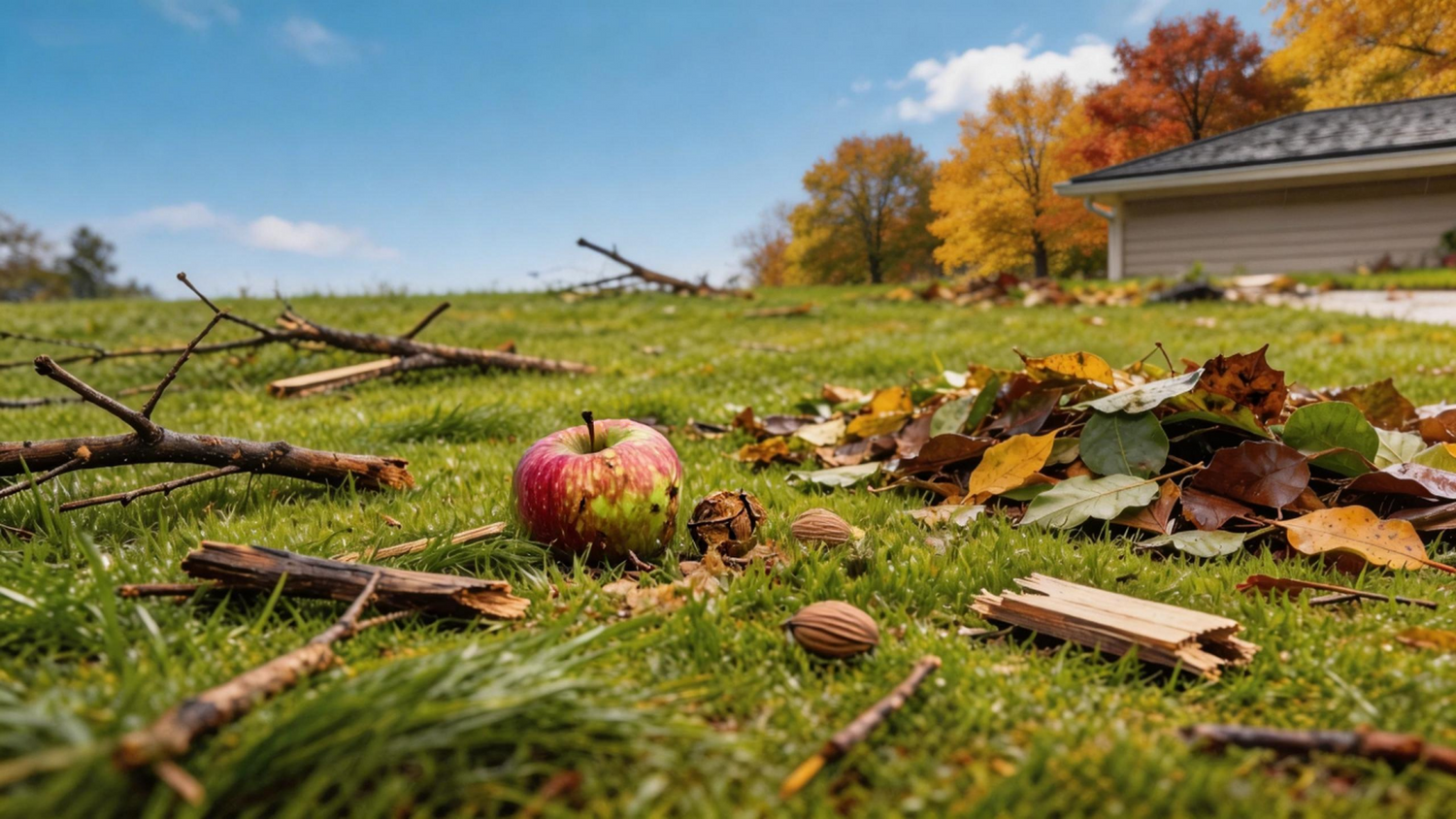
Trying to maintain a beautiful lawn is no easy feat. One of the challenges is posed by yard debris, which is inevitable due to seasonal changes and the trees shedding leaves and branches. Sometimes they can flood the lawn overnight, especially after heavy storms. Instead of burning, it is better to handle it in a more organic way.
Table of Contents
Causes of Yard Debris
Yard debris—often called green waste or landscape waste—is primarily caused by the natural life cycles of vegetation and the routine maintenance required to manage them.
- Seasonal Cycles: Deciduous trees shed leaves and pine needles, while plants naturally die back at the end of their growing season.
- Reproductive Cycles: Trees drop "hard mast" (acorns, walnuts, hickory nuts) and various seeds like samaras (helicopter seeds), seed pods, and sweetgum balls.
- Weather & Storms: High winds break twigs and branches, and heavy rain can wash loose soil, silt, and "sludge" into gutters or low areas.
- Wildlife Activity: Animals like squirrels, birds, and insects bring in nesting materials. Burrowing animals such as moles or groundhogs displace soil, creating mounds and holes.
- Lawn Mowing: Grass clippings are the largest component of yard waste, averaging 50% by weight.
- Pruning & Trimming: Regular upkeep of trees and shrubs results in branches, limbs, and shrubbery trimmings.
- Gardening: Activities like weeding, removing dead flowers (floral trimmings), and disposing of unused vegetable or fruit scraps contribute significantly.
Tips for Yard Debris Management
Yard waste can be dealt with in several ways, depending on its size and how urgently it needs to be disposed of. In principle, we should recycle as much as we can, because it can add valuable nutrients back to the lawn.
Cutting/Shredding
Larger branches, tree trunks, and stumps, which ultimately rot down in the garden. But few have the patience to wait that long. It seems intimidating to handle a big tree trunk besides trashing it. In fact, it is the same thing with small twigs or leaves, after you cut or shred them into small pieces.

If you have a lot to cut or shred, it is better to use an electric saw or shredder. Most domestic shredders will cope with woody stems less than 3-4cm (1¼-1½in) in diameter. Many shredders only mill timbers and may not produce fragments. However, milling will still speed up decomposition effectively even though the timber remains rather stringy. For thicker branches, heavy-duty shredders can be hired, or contractors with access to such machines can be engaged.
Mulch Leaves While Mowing
Think of mulch as a protective skin for your landscape. By recycling wood chips, leaves, or grass clippings, you create a powerhouse layer that locks in moisture, suffocates weeds, and regulates soil temperature like a natural thermostat. This organic "brown gold" prevents erosion, feeds essential earthworms, and eventually decays into rich, nutrient-dense humus.
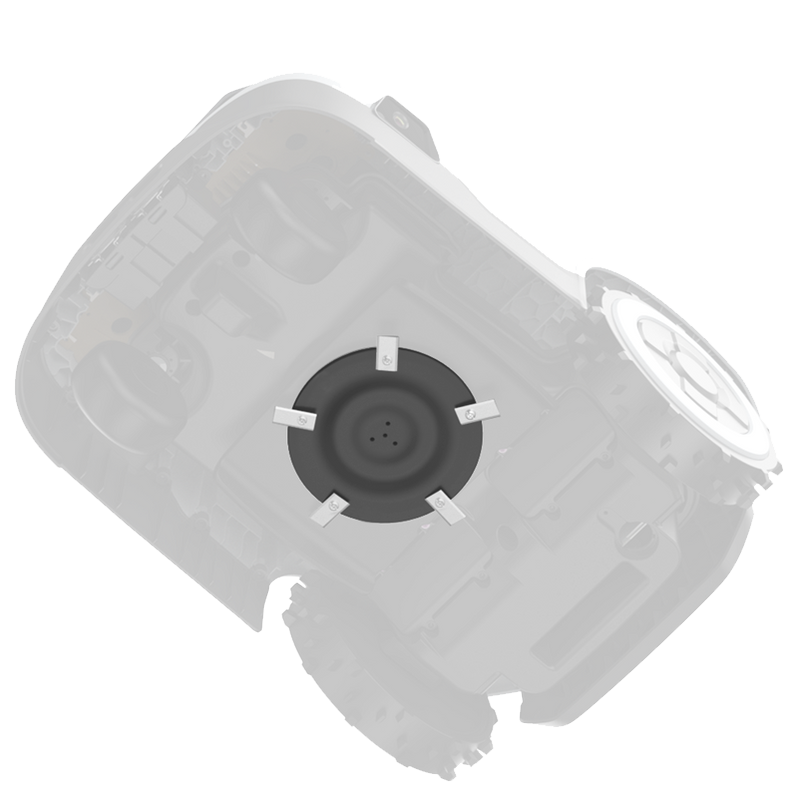
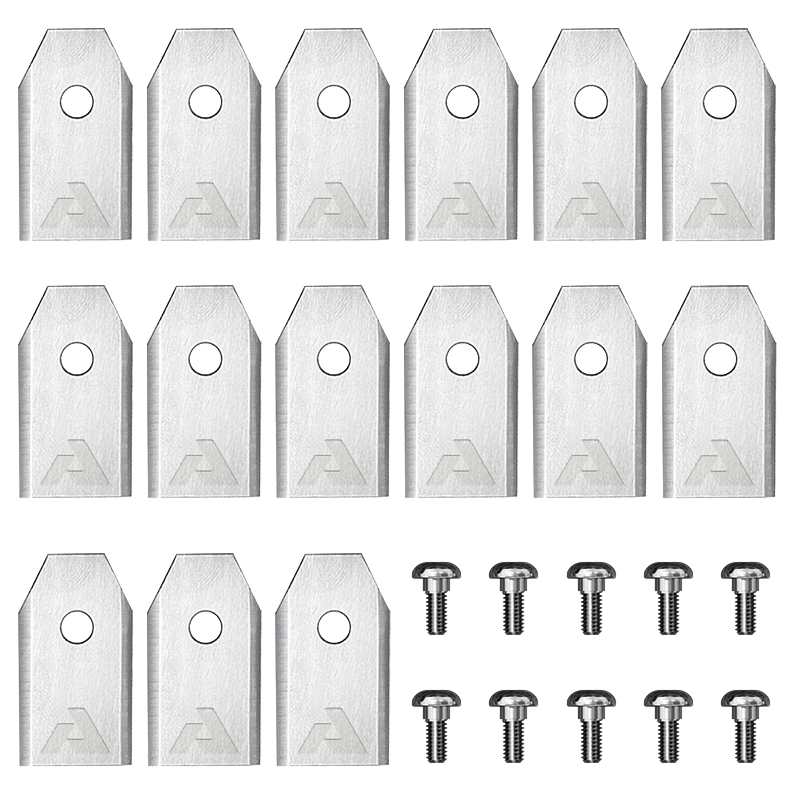
The fastest way to upgrade your lawn is to ditch the grass catcher. High-performance mulching mowers, such as the ANTHBOT N Series, use specialized mulching blades to pulverize clippings into a fine mist. This nutrient-rich debris then goes deep into the turf, feeding your soil instantly while you mow.

Bag and Compost Organic Debris
You can compost any woody clippings and prunings, stems, twigs, and smaller branches. By composting, you return organic matter to enrich the soil in a usable form. Organic matter in the soil improves plant growth by helping to break heavy clay soils into a better texture. Non-woody yard waste such as fallen leaves, grass clippings, weeds, and the remains of garden plants make excellent compost. Chipped wood scraps can also be composted. When you are composting, start with dry yard clippings, including autumn leaves (aka brown material), then add about half as much green matter. You can compost green waste and brown waste by adding them in separate layers, but it's also fine to blend them before adding to the pile.

Burning/Trashing
The simplest way is to burn or trash the woody debris. Burning woody debris is a quick disposal method if local regulations allow, requiring a 4x4 ft max pile, 10 ft clearance, and water/tools nearby. However, it causes pollution while trashing waste resources. If you just want a quick fix, the better alternative could be using the municipal green waste pickup service.
Summary of Yard Debris Management
Manage yard debris by recycling nutrients on-site through mulching and composting, or by using municipal curbside pickup. Key methods include grasscycling, shredding leaves for garden mulch, and composting organic waste. For large amounts, use designated paper bags for city collection, rent a wood chipper, or hire professional disposal services.

Leave a comment
This site is protected by hCaptcha and the hCaptcha Privacy Policy and Terms of Service apply.