











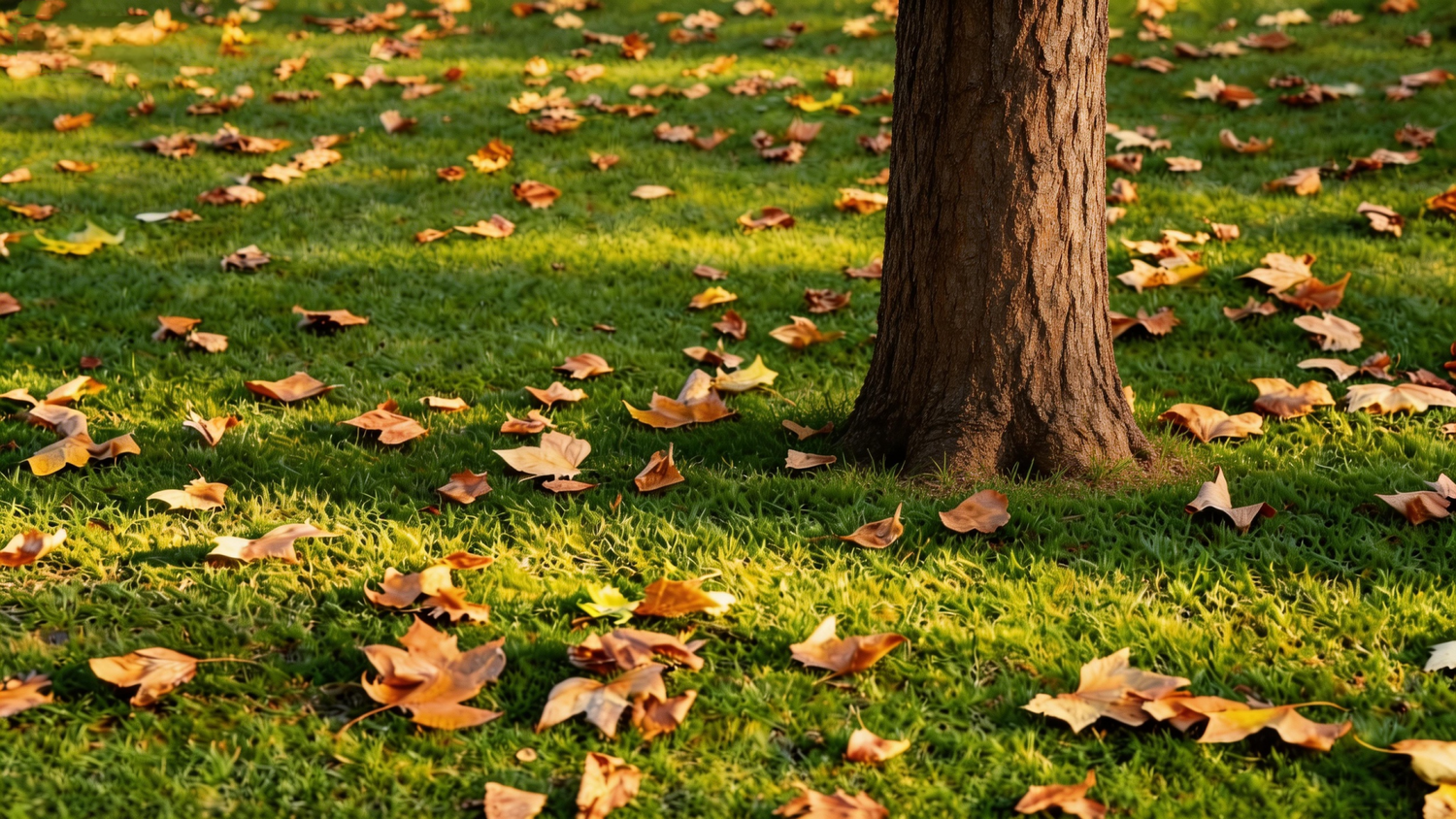
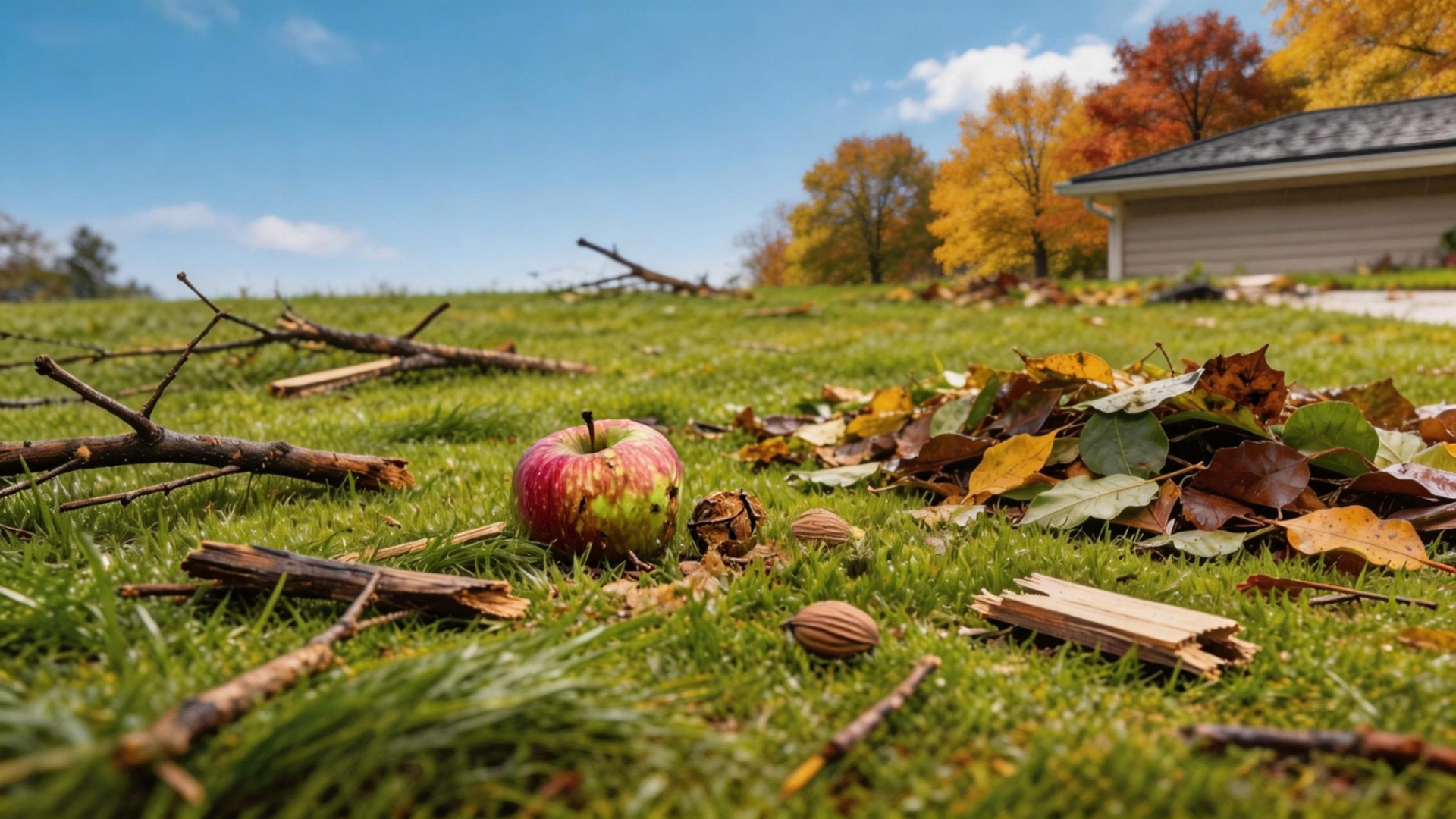
Most temperate trees shed leaves as autumn arrives. Leave when flying down in red and yellow colors strikes a beautiful and poetic note. A thin layer of leaves is fine, but if they cover the grass like a carpet and rot, they may harm your lawn. Read on to learn more about the clever ways to handle fallen leaves.
Table of Contents
Hazards of Thick Fallen Leaves
If you let leaves stay on your lawn, they will rapidly increase in density and lawn coverage. Too much foliage can lead to thick, wet leaf matting, resulting in big turf problems.
- Grass smothering: Fallen leaves, once wet, tend to stick together. This creates a robust layer where oxygen cannot penetrate through to the turf, and carbon dioxide cannot escape – essentially preventing your natural grass from breathing.
- Reducing Available Sunlight: Thick piles of leaves block essential vitamin D from reaching your turf and roots, weakening and slowing grass growth. Our article on How to Help Roots of Your Lawn Utilise Sunlight provides further details on how to maximise sunlight for a lush lawn.
- Slow Water Infiltration: Too much leaf cover can turn into thatch, which is a layer of natural debris that sits on the surface of your lawn. However, thatch can prevent water from reaching roots, stunting grass growth.
- Mowing Challenges: Although mowing can help shred fallen leaves, thick leaf cover can clog up your mower and make winter gardening tasks much harder.
- Increased Risk of Lawn Disease: Fallen leaves paired with winter weather equals moisture traps. These damp conditions can be a breeding bed for fungus such as snow mould, fusarium patch, or moss, potentially leading to mould and rot.
Tips for Managing Thick Fallen Leaves
A dense layer of leaves blocks sunlight and air, which can kill grass, inhibit spring growth, and breed snow mold and other fungal diseases. If you’re concerned, follow our tips to recycle the leaves instead of just trashing them and sending them to the landfill.
Mulch Leaves in Place
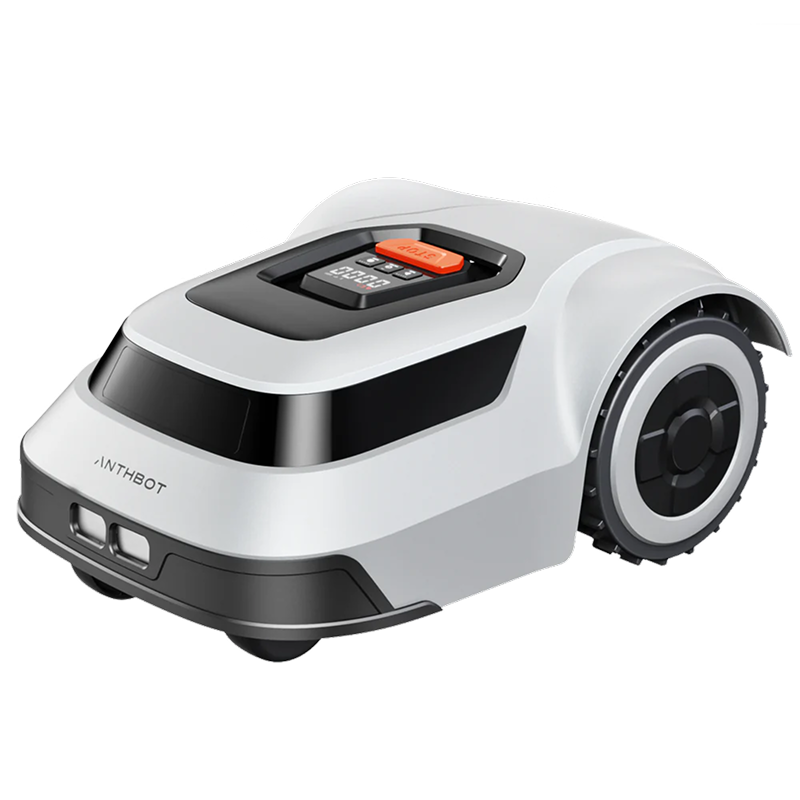
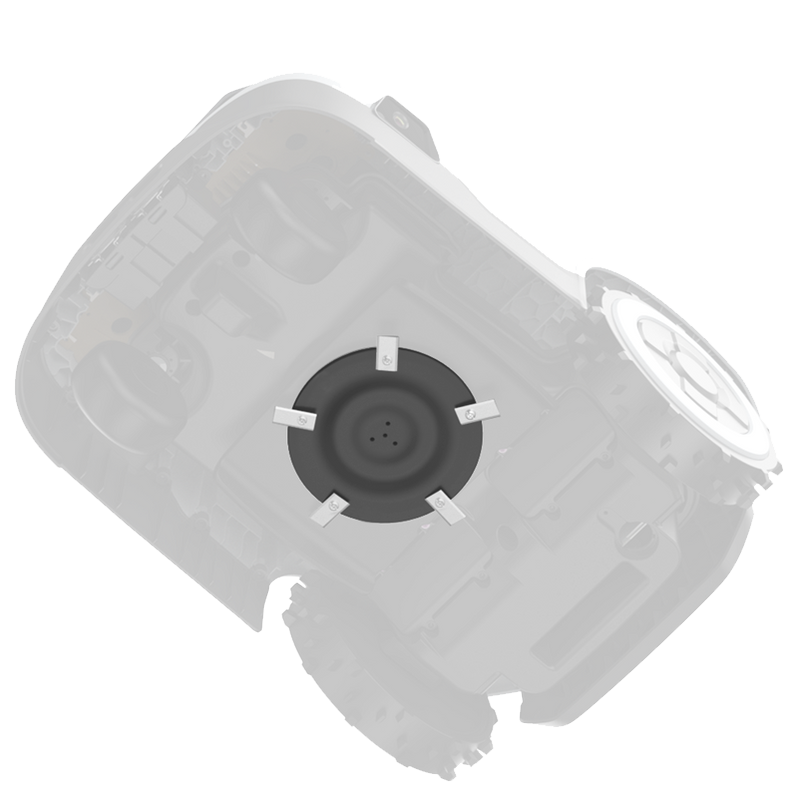
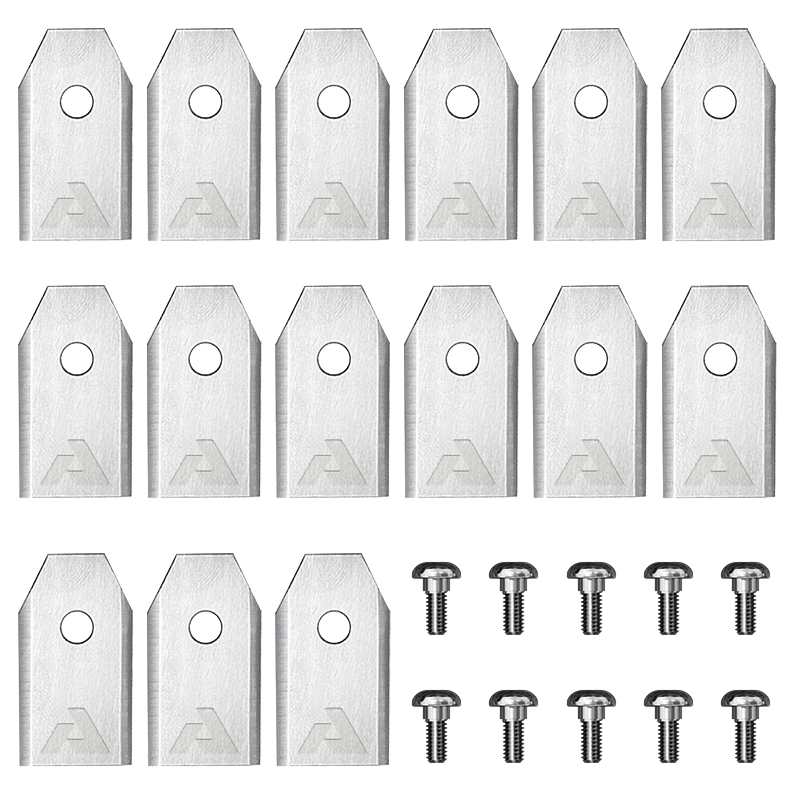
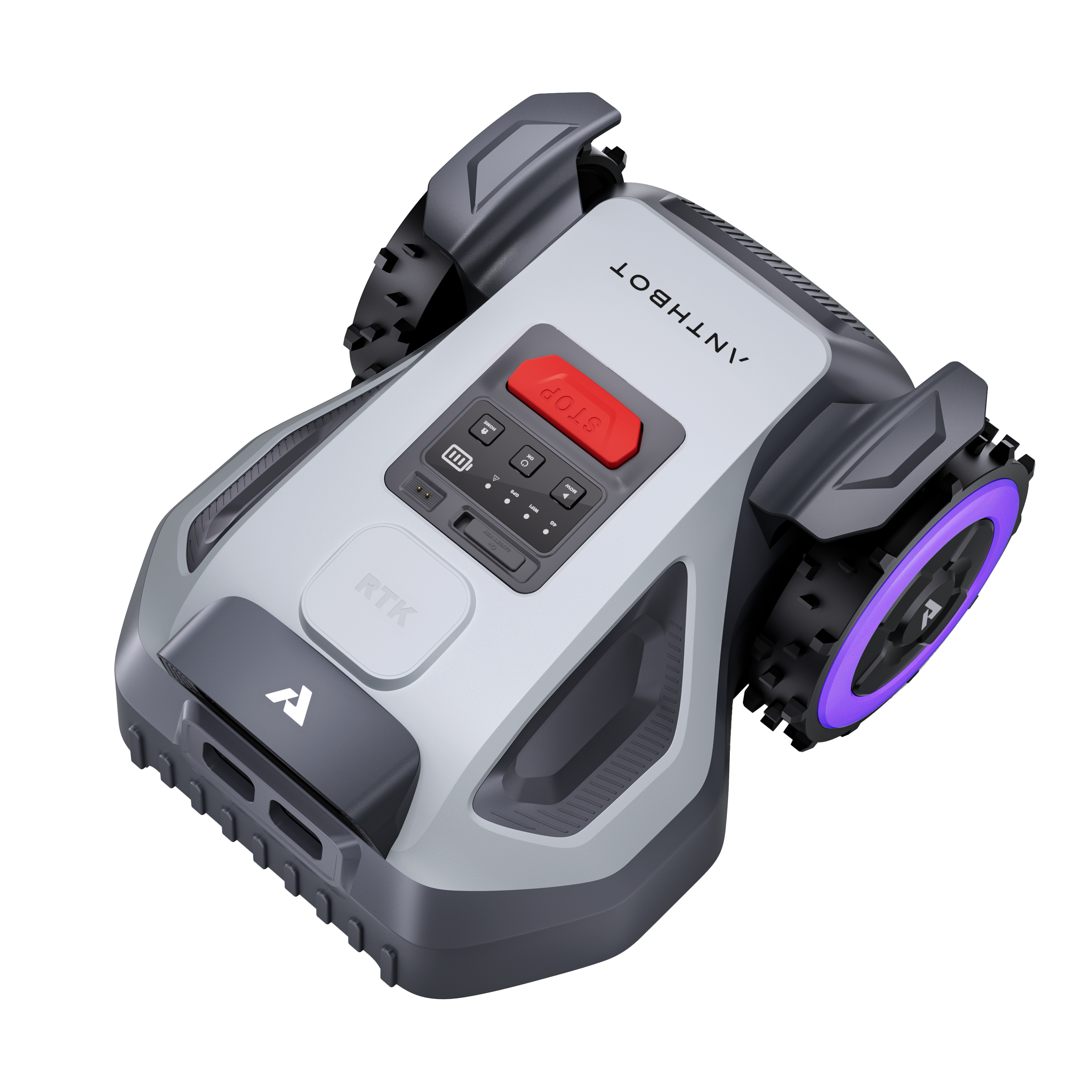
Leaves can be shredded in place by a mulching robot lawn mower like ANTHBOT N8. As shredded leaves easily break down, they return essential nutrients like nitrogen, potassium, and phosphorus to the soil and hold onto moisture. Small leaf bits fill in bare spots and block sunlight, which can significantly reduce weeds like dandelions and crabgrass over time. There are a few tricks for a better mulching result. Mow when dry so that leaves shatter easily. Adjust your mower to its highest setting so the blade can easily suck up. Follow the "50% Rule": You can safely mulch until leaves cover about half of the grass. If you have a thick layer of leaves, mow over them a second time in a different direction.

Leaf Blowing
A leaf blower is a handheld or backpack-mounted garden tool that uses a powerful, high-speed stream of air to move leaves, grass clippings, and debris into piles for easy disposal. It is a faster, less physically demanding alternative to raking or sweeping. By working systematically and using the right angles, you can blow large volumes of leaves quickly onto a tarp for easier transport to a compost pile. Start at the outer edges of your yard and work inward to create piles. Use a sweeping, side-to-side, or arc-like motion to move leaves into, not onto, piles. Instead of one giant heap, create multiple, manageable, long, narrow rows of leaves that are easier to bag or manage. Use the blower when leaves are dry. Always position yourself so the wind is at your back, pushing the leaves in the same direction, which requires less power and effort.
Leaf Sweeping with a Leaf Sweeper
A leaf sweeper is a mechanical tool used to collect yard debris like leaves, grass clippings, and twigs into an attached hopper. Unlike a leaf blower that pushes debris into piles, a sweeper uses rotating brushes to lift material directly off the ground and store it for easy disposal. Sweeping fallen leaves from your lawn is a gentler, quieter, and often more efficient alternative to leaf blowing or mulching. Some robot lawn mowers, such as the ANTHBOT N series, offer the leaf sweeping feature. It can help you sweep the leaves automatically. This feature not only saves time but also reduces physical strain and noise pollution. You skip the back-breaking work of raking, bagging, and hauling heavy leaf bags to the curb.

Post-Process by Composting
Fallen leaves after composting are valuable as leaf mould, which acts as a fertilizer and natural insulator for plants and provides a home for beneficial pollinators. Find a small, dark, and shaded area in your garden. Collect leaves and place them in compost bins or leaf cages. Leave them to naturally decompose over winter and use the leafmould to improve your soil in spring. Open them come spring and apply to your flowerbeds to help improve soil health. You can turn fallen autumn leaves into rich, organic, and valuable fertiliser! The texture of leafmould also aids with water retention, which is ideal for clay or sandy soils.
Summary of Fallen Leaves Management
Fallen leaves on a lawn should be managed, not entirely removed, to avoid smothering grass while still gaining free, nutrient-rich fertilizer. The best approach is to "mulch mow" them using a lawn mower, breaking them into tiny pieces.

Leave a comment
This site is protected by hCaptcha and the hCaptcha Privacy Policy and Terms of Service apply.