














Table of Contents
The Most Popular Warm-Season Grasses

-
Bermuda Grass: Known for its exceptional durability and fast recovery, making it the top choice for sports fields and high-traffic residential lawns. It requires full sun and thrives in intense heat.
-
Zoysia Grass: Valued for its dense, carpet-like feel and better shade tolerance than Bermuda. It grows slowly, meaning it requires less frequent mowing once established.
-
St. Augustine Grass: A popular choice for coastal regions (like Florida and the Gulf Coast) because it handles salt and humidity well. It has broad blades and is the most shade-tolerant warm-season variety.
-
Centipede Grass: Often called "lazy man's grass" because of its low maintenance needs, it grows slowly and requires very little fertilizer. It prefers acidic soils.
-
Bahiagrass: A tough, utility grass often used for large acreages or pastures due to its deep root system and ability to survive in poor, sandy soils.
- Seashore Paspalum: A versatile perennial turfgrass renowned for its exceptional salt tolerance. Native to tropical and subtropical coastal regions, it thrives in environments where other grasses struggle, such as salt marshes, beachfronts, and areas with poor-quality or brackish water.
Lawn Care Schedule for Warm-Season Grasses
|
Timing |
Phase |
Lawn Maintenance |
Lawn Treatment |
|
|
Spring |
March
|
Spring Kickoff |
Rake debris; First mow; |
Test Soil Slow-release Synthetic Fertilizer |
|
April |
Renovation |
Mow every 10 days; Water 1in every week; Dethatch/aerate after the 3rd cut. |
Pre-emergent, Insecticide |
|
|
May |
Growth Peak |
Mow every week; Water 1in every week; Apply slow-release fertilizer for summer prep. |
Grub Prevention, Post-Emergent |
|
|
Summer |
June |
Heat Protection |
Mow every 10 days Raise mower height to 4–5 cm; Water 1.5in each week |
Fungicide |
|
July |
Hydration |
Water deeply but infrequently in the early morning |
Grub Control Fugal Disease Control |
|
|
August |
Hydration |
Water deeply but infrequently in the early morning; Prepare for fall overseeding if needed. |
Test Soil; Ion & Ph adjustment |
|
|
Autumn |
September |
Major Feeding |
Mow every week; Water 1in every week; Overseed bare spots, lay down new sods, aeration, scarifying |
Pre-Emergent; Synthetic Fertilizer
|
|
October |
Second Growth Peak |
Mow every week at a lower height; Water 0.5in/week |
Post-Emergent |
|
|
November |
Winter Prep |
Last mow (3cm/2in lower); Leaf sweeping |
"Winterizer" (High Potassium) |
|
|
Winter |
December - February |
Dormancy |
Avoid foot traffic; Service mower blades |
N/A |
Spring Lawn Care for Warm-Season Grasses
- Cleanup: Once the soil is dry, rake away winter debris and matted grass to allow sunlight to reach the base.
- First Mow: Start mowing when growth begins (usually when air temperatures hit 65°F+), and the lawn is at least 50% green. For Bermuda and Zoysia, a "scalp" (cutting to ~1 inch) removes dormant tissue and speeds green-up.
- Weed Prevention: Apply pre-emergent herbicide when soil temperatures reach 55°F (typically Feb/March) to block crabgrass.
- Aeration & Dethatching: Late spring is the best time for core aeration or dethatching, as the grass is growing rapidly enough to recover quickly.
Summer Lawn Care for Warm-Season Grasses
- Mowing: This is the peak growing season. Mow every 5–7 days, following the "one-third rule" (never remove more than 1/3 of the grass blade at once).
- Watering: Provide 1 to 1.5 inches of water per week, including rainfall. Water deeply and infrequently, ideally between 4 AM and 9 AM, to reduce evaporation and fungal risk.
- Fertilization: Continue feeding every 6–8 weeks through the summer. Avoid fertilizing during periods of extreme heat or drought stress.
- Pest Control: Monitor for grubs and chinch bugs in July and August.
Autumn Lawn Care for Warm-Season Grass
- Winterizing: Apply a potassium-rich fertilizer 6–8 weeks before the first frost to strengthen the root system for winter. Avoid heavy nitrogen late in the season, which can interfere with dormancy.
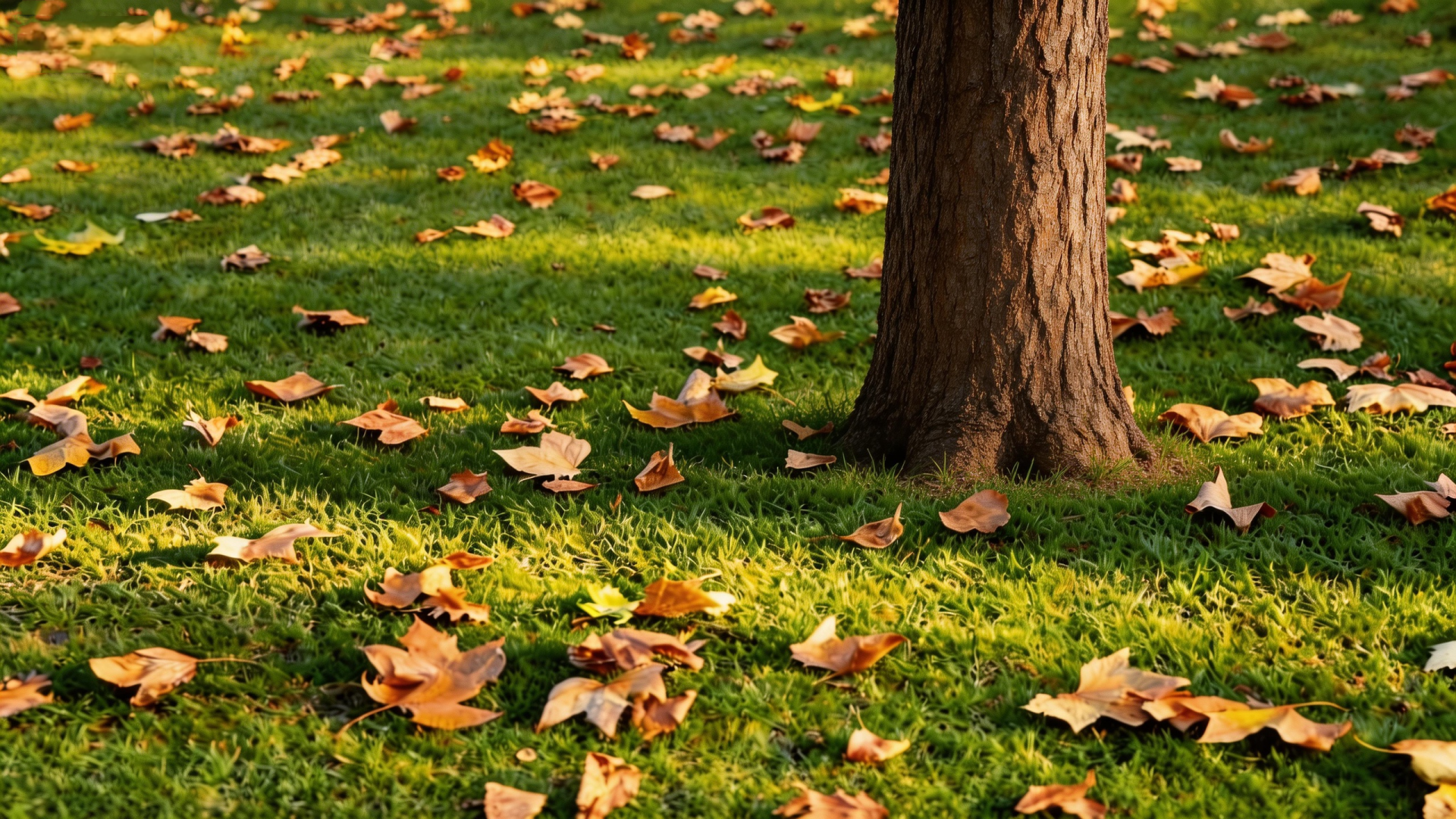
- Clean Leaves: Heavy fallen leaves will choke the lawn and must be raked or sucked away in time.
- Final Mow: Conduct your last mow of the season once the grass stops growing, usually in November.
- Weed Control: Apply a second pre-emergent application when soil temperatures drop to 70°F to prevent winter weeds like Poa annua.
Winter Lawn Care for Warm-Season Grasses
- Avoid Foot Traffic: Do not walk or park during frost or ice, as this will cause the grass crown to break and cause bald spots next year.
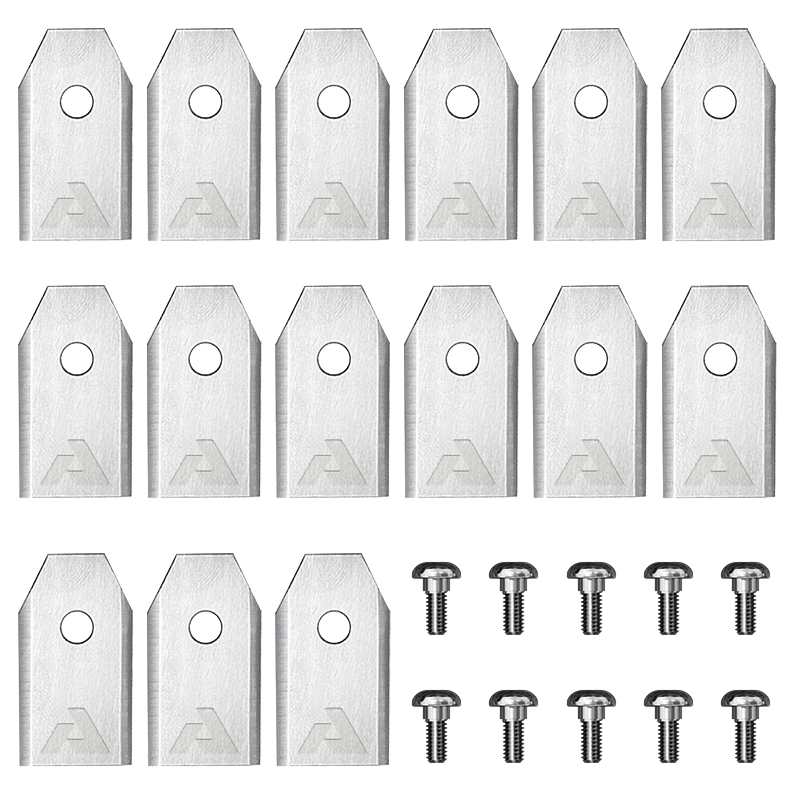
- Equipment Maintenance: Use this time to sharpen mower blades and service your equipment.
- Watering: If there is extreme drought in winter, choose to replenish water a little in the morning when the temperature rises to prevent the roots from completely drying out and dying.
- Spot Treatment: Hand-pull or spot-treat any winter weeds that emerge while the grass is dormant.

Leave a comment
This site is protected by hCaptcha and the hCaptcha Privacy Policy and Terms of Service apply.