















The grass starts to green up once again as spring arrives. Its new growth is triggered mainly by rising temperatures, along with the gentle warmth and light of the sun.
Spring lawn care involves far more than just mowing. Each task plays a key role in keeping your lawn healthy and looking its best. Read on to discover these essential spring lawn care jobs, one by one.
Table of Contents
Lawn Sweeping
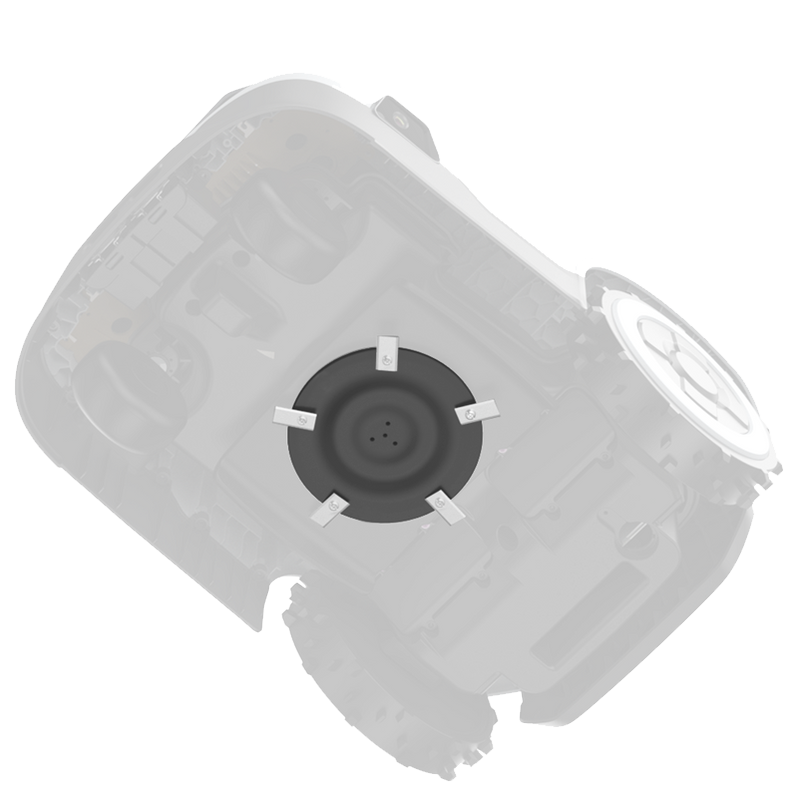
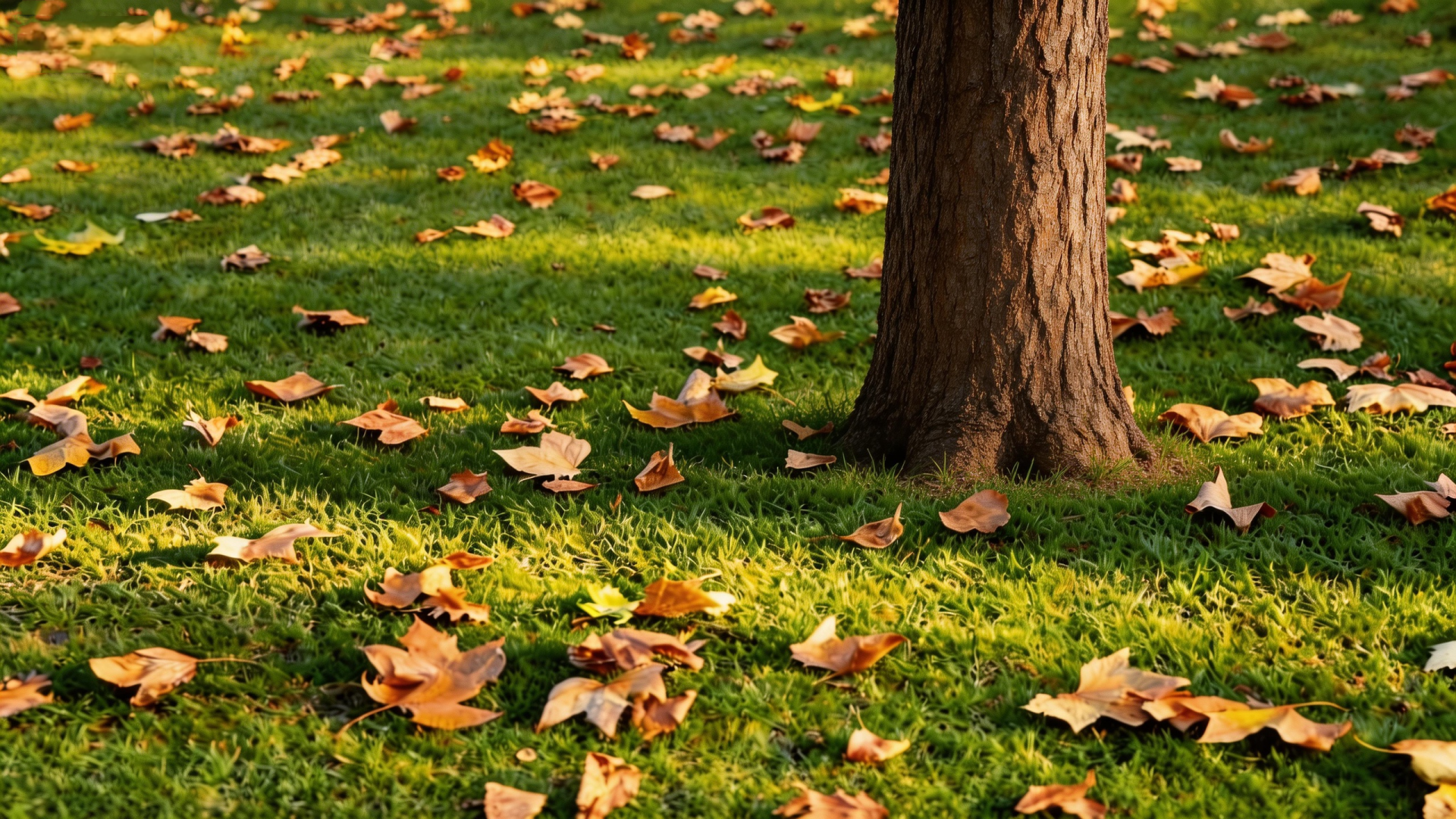
After the long winter, the lawn may accumulate stretches of sticky residual leaf mass. These areas can be swept with a garden/street broom or leaf rake so that the fresh greenery can prevail as quickly as possible. Lawn sweeping in spring is a highly efficient way to clear winter debris like fallen leaves, twigs, and pine cones, allowing your grass to "breathe" and receive essential sunlight for new growth. The ANTHBOT N Series robot lawn now offers the lawn sweeping features, a nice tool to really save your time. 
Lawn Repair
Spring is a critical window for lawn repair, focusing on cleaning up winter debris, addressing bare spots, and preparing the soil for the growing season. Choosing the right lawn repair method depends on the severity of the damage, your budget, and how quickly you need results. For most homeowners, reseeding is the standard for small bare spots, while overseeding is best for thinning lawns.

1. Spot Repair (Best for Bare Patches)
This method targets specific dead areas caused by pets, foot traffic, or localized disease. Here is the procedure. Remove dead grass and loosen the top 6 inches of soil with a rake. Scatter grass seed, lightly rake it in, and cover with a thin layer of topsoil or peat moss. Seedlings typically emerge in 5–14 days and reach mowing height in 3–4 weeks. (Source: Deutsche Rasengesellschaft e.V.)
a. Over-Seeding (Best for Thinning Lawns)
Over-seeding involves spreading seed over existing grass to improve density without tearing up the lawn. Before seeding, it is better to do core aeration and mow the lawn short (about 1.5–2 inches) and bag the clippings. The timing for overseeding has much to do with the grass types. Basically, the soil temp for repairing cool-season grass should be 50°F to 65°F, while the soil temp for repairing warm-season grasses should be 65°F to 75°F. (Source: Deutsche Rasengesellschaft e.V.)
b. Sodding or Plugging (Best for Instant Results)
Sod provides an immediate "instant lawn" and is ideal for sloped areas prone to erosion. Just lay strips of pre-grown grass onto prepared bare soil. It is 5–8 times more expensive than seed but is usable in 2–3 weeks. Plugging is common for St. Augustine or Bermuda grass, which don't grow well from seed.
c. Levelling Ruts and Holes
For physical damage like tyre ruts or sinkholes, lift the existing turf with a spade, fill the hollow with topsoil mixed with sand, and lay the turf back down. If there is a deep hole, fill it with a mix of soil and gravel, then seed or sod the top layer to match the surrounding grade.
Pre-Emergent Weed Control
Pre-emergent herbicides act as an invisible barrier in the soil to stop weed seeds, primarily crabgrass, from germinating. To be effective, they must be applied before soil temperatures consistently reach 55°F, as this is when most summer annual weeds begin to sprout. Most granular pre-emergents must be "watered in" with roughly 1/2 inch of irrigation or rain within 24–48 hours to activate the chemical barrier in the soil. Standard pre-emergents will prevent your desired grass seed from growing. If you plan to overseed, wait at least 60–90 days after application, or skip the pre-emergent in those areas.

Fertilization
Various studies and observations have shown that lawn grasses react to fertilization at a very early stage of vegetation. For example, early spring fertilization in the period of early and first spring is quite effective, as the roots actively absorb the nutrients. At this time, a fertilizer quantity of 20 to 30 g/m² of a nitrogen-based lawn fertilizer. If the lawn has been limed beforehand, an interval of about four weeks should be maintained before fertilization. To compensate for the relatively high nutrient requirements of lawn grasses, at least two fertilizations per year should be carried out with an appropriate lawn fertilizer so that the main nutrients, nitrogen, potash, phosphate, and magnesium, are available in sufficient quantities.
Soil Liming
While your lawn might still look dormant on the surface, the grass roots are already waking up and becoming active underground. To give them a head start, now is an ideal time for early-season liming, which helps neutralize soil acidity.
If a soil analysis shows a low pH—specifically below 5.5—applying carbonated lime is highly effective. Aim for an application rate of approximately 150 g/m² to help balance the soil chemistry, improve nutrient uptake, and create a healthier foundation for the upcoming growing season.

Scarifying/Dethatching
Lawns naturally build up a thick, matted layer of dead grass, roots, moss, and debris between the soil surface and the green blades — this is called thatch. You can cope with the thatch by either scarifying or detaching. Many people use these terms interchangeably, but they differ in intensity, purpose, and how they treat your lawn.
Dethatching: The act of removing the loose, spongy layer of dead grass stems, roots, and debris that sits just above the soil by gentle raking. It only lifts and pulls away the surface thatch. So it is a moderate intervention with the root system of the grass. It is more suitable for removing thin, light thatch buildup. And you can detach regularly in spring/fall maintenance.
Scarifying: The act of removing the thatch while tearing out deep, compacted soil by sharp, rotating blades or tines. It means a massive intervention stimulating the grasses to form new shoots and leaves. It is only advised when the lawn is subject to thick, compacted thatch, covered in stifling moss, or has been neglected for a long time. Normally, scarifying is conducted in late spring when the grass is strong enough, and the fertilizer should have been applied for ten days. In this way, the grass can tolerate the vertical cut much better and can quickly till, i.e., new, fresh side shoots are formed.

Mowing
Mowing in spring should begin only once the grass is actively growing and the soil is dry and firm. Most experts recommend waiting until the grass reaches a height of 3 to 4 inches before performing the first cut of the season. And when doing the first cut, it is better to set your mower to its highest setting, and bag and remove all the clippings and debris.
After the first cut, mowing in spring should be conducted from once every 10–14 days in the early season to once or twice a week as temperatures rise and growth peaks. The exact frequency depends on how quickly your specific grass type grows to stay within the One-Third Rule: never remove more than one-third of the grass blade's total height in a single cutting session.
Watering
For most established lawns, you should wait to start watering until soil temperatures reach 50–60°F and the grass shows signs of active growth. Spring rain and melt snow typically provide enough moisture to sustain early growth; watering too early when the soil is still cold or frozen can lead to shallow roots, fungal diseases, and unnecessary water waste.
Summary of Spring Lawn Care
Spring lawn care is the most complex procedure and also the most rewarding. Your actions in these few weeks dictate how resilient the lawn will be during the summer heat. It’s a delicate balance of timing—acting too early can damage tender new shoots, while waiting too long lets weeds take over. However, the spring lawn care will be successful if you know what your lawn really needs.

Leave a comment
This site is protected by hCaptcha and the hCaptcha Privacy Policy and Terms of Service apply.