














Table of Contents
The Most Popular Cool-Season Grasses

- Perennial Ryegrass: Extremely rapid germination (5–10 days) and establishment. High-traffic areas like sports fields (Sportrasen) and family play lawns (Spielrasen). It requires consistent moisture and is susceptible to snow mold in harsh winters.
- Kentucky Bluegrass: Known for its rich green color and dense growth. It spreads via underground rhizomes, allowing it to "self-repair" bare spots. It is suitable for durable utility lawns and premium ornamental gardens. It is slow to germinate (up to 21–28 days), which is why it is almost always mixed with faster-growing ryegrass.
- Fine Fescue: A fine-leaved, elegant grass that is highly shade-tolerant and requires very little maintenance. Shady areas (Schattenrasen) and low-maintenance ornamental lawns. It does not handle heavy foot traffic well and can appear wispy if planted alone.
- Supina Bluegrass: It is exceptionally shade-tolerant and thrives in cool, moist, and even alpine conditions. Professional-grade shade lawns and heavily used areas in cooler regions.
- Tall Fescue: Increasingly popular in Germany due to its deep root system, which makes it more drought-resistant during hot, dry summers than other cool-season types. : Low-maintenance, eco-friendly lawns in regions prone to heat stress.
- Bentgrass: A fine-leaf cool-season turf, often used on golf courses and decorative lawns, forms a dense, carpet-like surface and grows well in cool, moist climates. While high-maintenance, its lush appearance makes it a popular premium option.
Lawn Care Schedule for Cool-Season Grasses
|
Timing |
Phase |
Lawn Maintenance |
Lawn Treatment |
|
|
Spring |
March
|
Spring Kickoff |
Rake debris; First mow. |
Test Soil Slow-release Synthetic Fertilizer |
|
April |
Renovation |
Mow every 10 days; Water 1in every week; Dethatch/aerate after the 3rd cut. |
Pre-emergent, Insecticide |
|
|
May |
Growth Peak |
Mow every week; Water 1in every week; Apply slow-release fertilizer for summer prep. |
Grub Prevention, Post-Emergent |
|
|
Summer |
June |
Heat Protection |
Mow every 10 days; Raise mower height to 4–5 cm; Water 1.5in each week. |
Fungicide |
|
July |
Hydration |
Water deeply but infrequently in the early morning. |
Grub Control Fugal Disease Control |
|
|
August |
Hydration |
Water deeply but infrequently in the early morning; Prepare for fall overseeding if needed. |
Test Soil; Ion & Ph adjustment |
|
|
Autumn |
September |
Major Feeding |
Mow every week; Water 1in every week; Overseed bare spots, lay down new sods, aeration, scarifying. |
Pre-Emergent; Synthetic Fertilizer
|
|
October |
Second Growth Peak |
Mow every week at a lower height; Water 0.5in/week. |
Post-Emergent |
|
|
November |
Winter Prep |
Last mow (3cm/2in lower); Leaf sweeping. |
"Winterizer" (High Potassium) |
|
|
Winter |
December - February |
Dormancy |
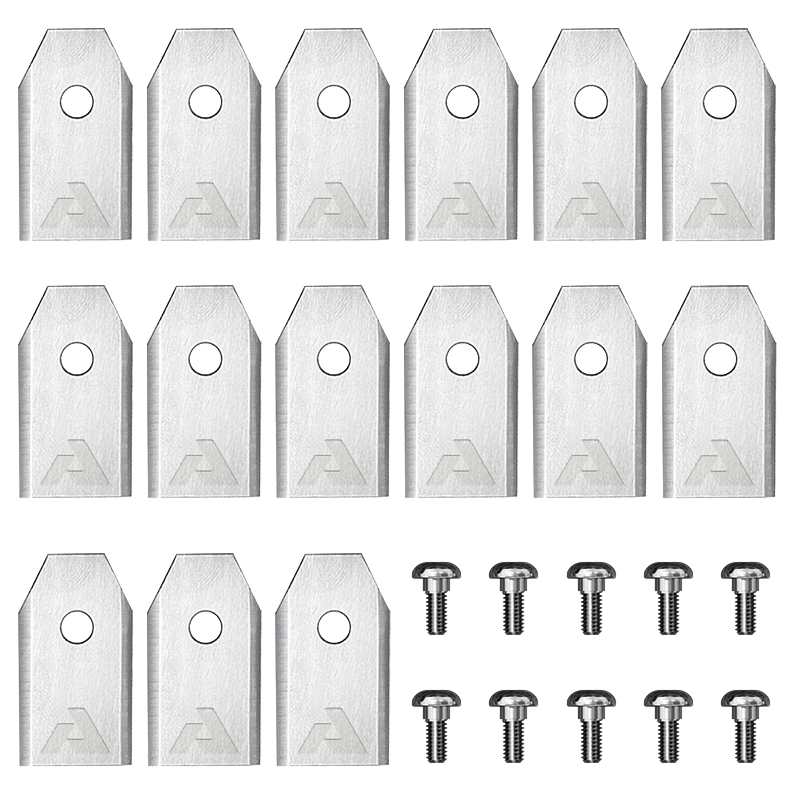
Avoid foot traffic; Service mower blades. |
N/A |
Spring Lawn Care for Cool-Season Grasses
- Cleanup: Rake to remove debris and "snow mold" once the soil is dry.
- Mowing: Start at roughly 2.5–3 inches at the first sign of growth.
- Fertilizing: Apply a slow-release fertilizer in early to mid-April.
- Weed Control: Apply pre-emergent herbicides (e.g., crabgrass preventer) when soil temperatures reach 55°F, typically in April.
- Aeration/Dethatching: Perform only if thatch is over 0.5 inches thick or soil is heavily compacted.
Summer Lawn Care for Cool-Season Grasses
- Mowing: Raise mower blades to 3–4 inches to shade the soil and reduce heat stress.
- Watering: Provide 1 to 1.5 inches of water per week, ideally in two deep, early-morning sessions.
- Dormancy: If temperatures exceed 80°F regularly, you can allow the lawn to go dormant (turn brown) by reducing watering to once every few weeks.
- Pests: Monitor for grubs in July and August; treat with insecticide if you find 5–10 grubs per square foot.
Autumn Lawn Care for Cool-Season Grasses
- Fertilizing: Apply "Winterizer" fertilizer around Labor Day and again 6–8 weeks later to promote root growth.
- Lawn Repair: September is the ideal time to overseed bare spots or lay down new sods for cool-season grasses.
- Deep Maintenance: Scarifying the lawn deeply, removing lawn debris.
-
Final Mows: Gradually lower the mowing height to 2–2.5 inches by the last cut of the season to prevent matting and snow mold.
Winter Lawn Care for Cool-Season Grasses
- Dormancy: Avoid walking on frozen or snow-covered grass to prevent crown damage.
- Equipment: Use this time to sharpen mower blades and service your equipment for spring.

Leave a comment
This site is protected by hCaptcha and the hCaptcha Privacy Policy and Terms of Service apply.