











Do you love the scent of freshly mowed lawns wafting in the air? You are not alone. According to studies at the University of Queensland, that smell is stress-relieving and protects nerve cells from damage that can be caused by stress. But are you really good at mowing?
A vibrant lawn usually consists of up to 50,000 grass shoots per square meter on average. Cutting them requires an excellent mowing tool and skills. In addition, mowing can be associated with noise. This article will show you all the ropes, so you can easily keep a neat, lush green lawn to envy your neighbour.
Table of Contents
Different Types of Mowers
Before diving into the mowing techniques, it is better to get some basic knowledge about the mowing tool you are gonna use. Generally speaking, there are three types of lawn mowers on the market.

- Rotary Mowers: A rotary mower is a versatile, common cutting machine that uses high-speed, horizontally spinning blades to cut grass and brush through impact. Ideal for uneven, tall, or rough terrain, these mowers are available in walk-behind, riding, and tractor-mounted (brush hog) formats. Key benefits include durability, easy maintenance, and efficiency in overgrown areas.
- Cylinder Mowers: Also known as reel mowers, use a series of horizontal blades that rotate vertically to trap and slice grass against a stationary bed-knife. This "scissor-like" action is much cleaner and gentler than the chopping motion of standard rotary mowers, which can fray grass tips and increase the risk of disease.
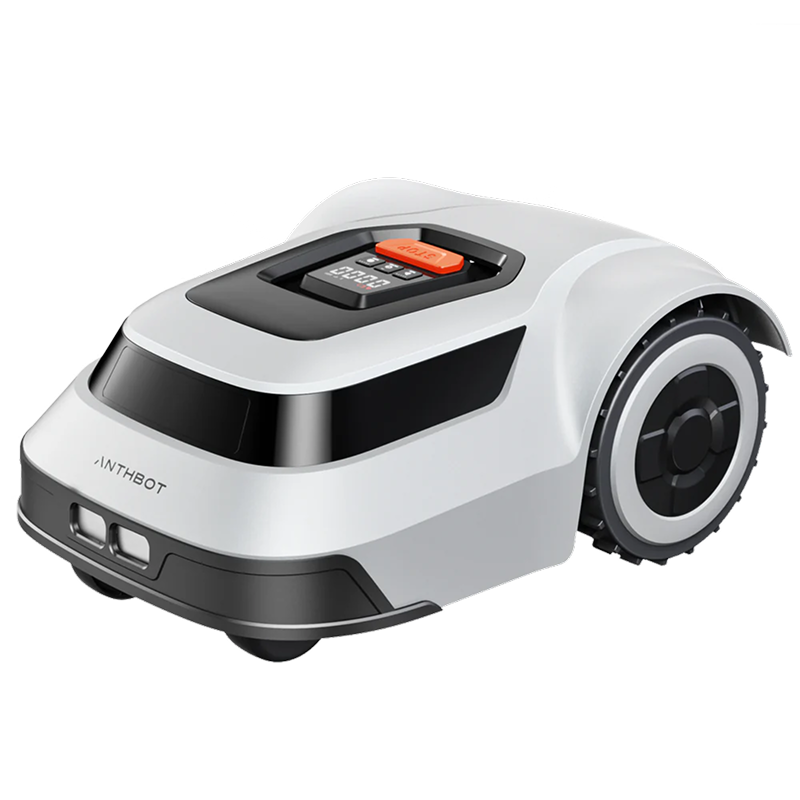
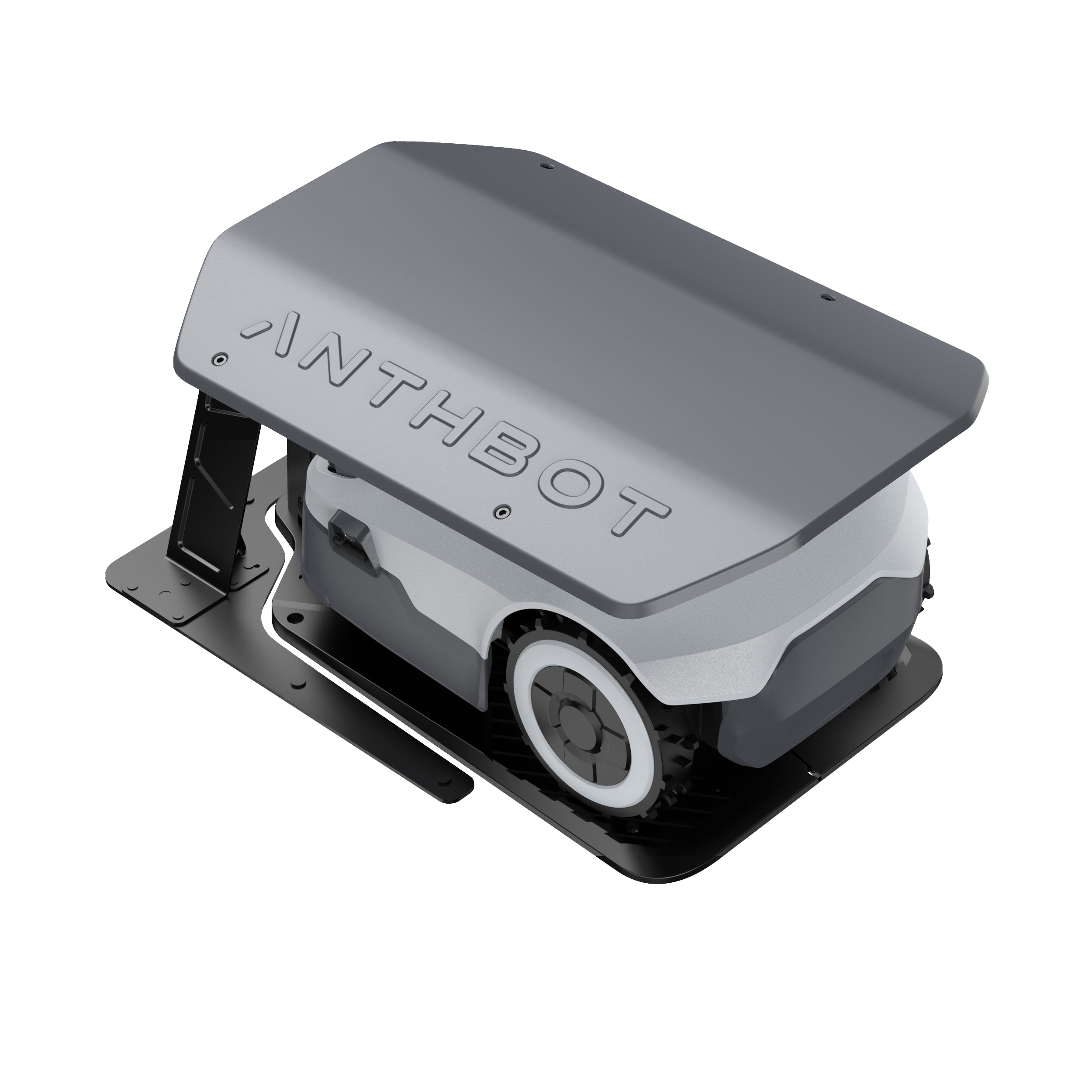
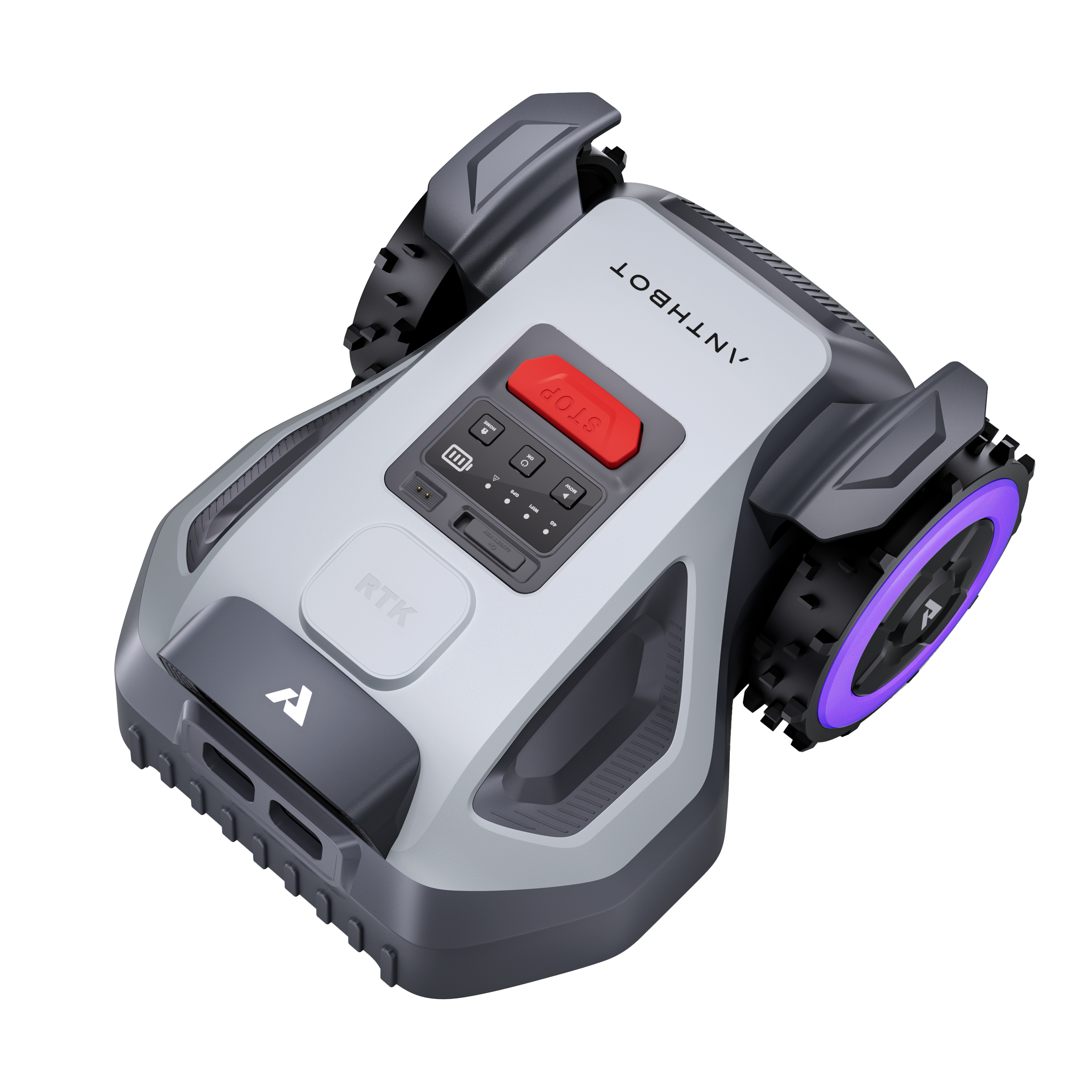
- Robot Lawn Mowers: The latest evolution of household rotary mowers combined with the latest robotic technologies. Most traditional mowers primarily mulch clippings, returning nutrients directly to the soil. And a few advanced models like ANTHBOT N Series are as powerful as a traditional push mower with both mulching and bagging capabilities. Robotic lawnmowers relieve us of the annoying duty of regular mowing for some hobby gardeners.
Key Considerations for Lawn Mowing
Effective lawn mowing is more than just a chore; it is a critical practice for maintaining turf health, boosting lateral grass growth, preventing weeds, and encouraging deep root systems. So it is necessary to fine-tune the mowing settings for each session of mowing to achieve the best mowing effect.
Cutting Height/Frequency
The cutting height is decisive for the lawn quality. If the cut is too short, the grass may get weak and is therefore not as resistant to stress. A proper cutting height also suppresses moss and weeds. Though the cutting height varies with grass types, it is always wise to follow the One Third Rule -- only cutting the top third of the grass. In summer and in dry conditions, the cutting height should be raised by another centimetre.

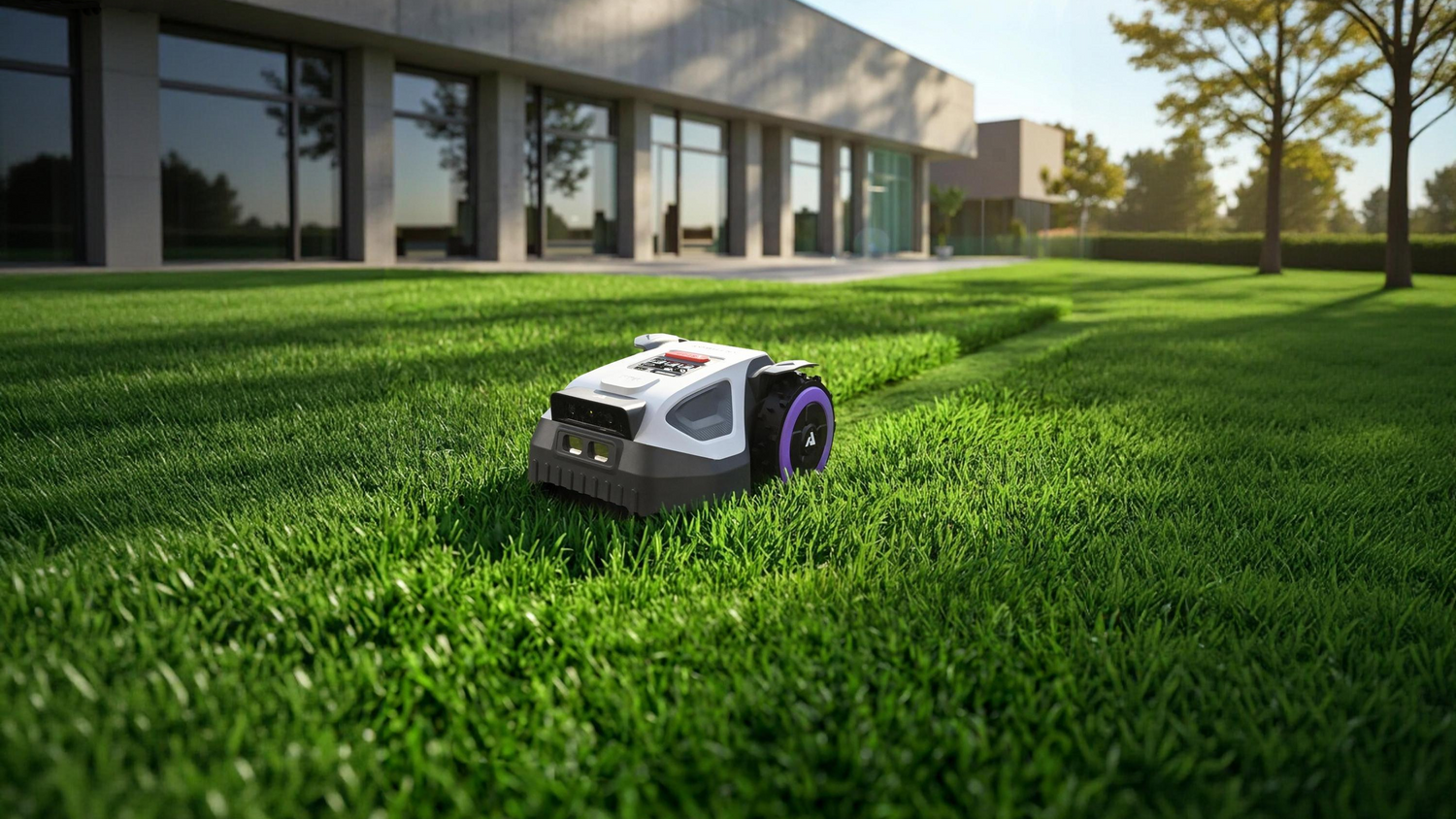
A traditional mower often comes with a lever on the side, allowing users to toggle between different cutting heights. Whereas the latest robot lawn mower offers app-set cutting height in the hosting App, which is much more handy.
It is important to cut regularly to the same height so that the plants can align themselves with it in their physiological processes, e.g., in nutrient storage, i.e., adapt to it. "Regular" in this case means twice a week in spring and at least once a week in summer and autumn. (Source: Deutsche Rasengesellschaft e.V.)
Suitable Mowing Patterns
Different patterns can enhance "curb appeal" and prevent grass from leaning in one direction, which promotes upright growth. Stripes: The simplest pattern, created by mowing back and forth in straight lines. All ANTHBOT robot mowers, including the popular ANTHBOT M Series, allow users to customise the mowing pattern as they like.

- Checkerboard: Created by mowing a second set of stripes perpendicular (at a 90-degree angle) to the first set.
- Diamonds: Similar to checkerboard, but the stripes are mowed diagonally (usually at 45 degrees).
- Spiral / Circular: Ideal for circular lawns or those with central focal points like trees. You start at the edge and work inward (or vice versa) in concentric circles.
- Zig-Zags & Waves: Advanced patterns that require using a checkerboard or diagonal template to guide 90-degree turns or smooth curves.
Clipping Disposal Methods
When mowing the lawn, clippings are produced. How you handle grass clippings significantly affects soil health and maintenance time. There are three ways to deal with the grass clippings.
- Mulching (Grass-cycling): Finely chops clippings and leaves them on the lawn. This acts as a natural fertilizer, returning nitrogen to the soil and helping retain moisture. It is up to 38% faster than bagging because you don't have to stop to empty a container.
- Side Discharge: Blows clippings out the side of the mower. This is useful for very long grass that might clog a mulching mower, though it can leave unsightly clumps if the grass is wet.
- Bagging: Collects clippings in an attachment for disposal or composting. It provides the cleanest, most manicured look and is the best choice if the lawn is diseased or the grass has grown too tall, too wet, or too dry. This way, the clumps of clippings will not cover the grasses and block the sunshine, water, and oxygen.
Each of the three clipping disposal methods has its value, just make sure it goes with the circumstances. Generally, you can mulch in 80% of the time, and bag the clippings in 20% of the time. When you do the bagging, it is better to post-process the clippings by composting, instead of trashing them. The ANTHBOT N Series robot lawn mower offers both mulching mode and bagging mode, a versatile tool for your convenience.
Factor in Weather and Shade
Avoid mowing when the lawn is damp. The leaves are too heavy to get erected or brought between the blades, and the cut becomes uneven. In addition, the clippings clump together very easily. Mowing in hoarfrost on the blades or frozen lawn should be prohibited by itself.
Mowing should also be avoided in extreme heat, because the strain is too great. The grass may lose much more water through the cut surfaces than it can replenish from the dry soil.
Another special situation is shady locations, where the lighting can be limited, the humidity can be too much, and the precipitation can be too little. Grass needs more leaf mass to do photosynthesis, evaporate water, and create nutrients to boost root growth. Every additional load, even the cut, thins out the already sparse turf even further. (Source: Deutsche Rasengesellschaft e.V.)
Mower Maintenance
To achieve a neat and healthy lawn, your mower must be treated as a precision instrument rather than a garden workhorse. The secret lies in the ritual of maintenance. The blades must remain legendary in their sharpness; once they dull, the crisp "snip" of the cut becomes a jagged tear.
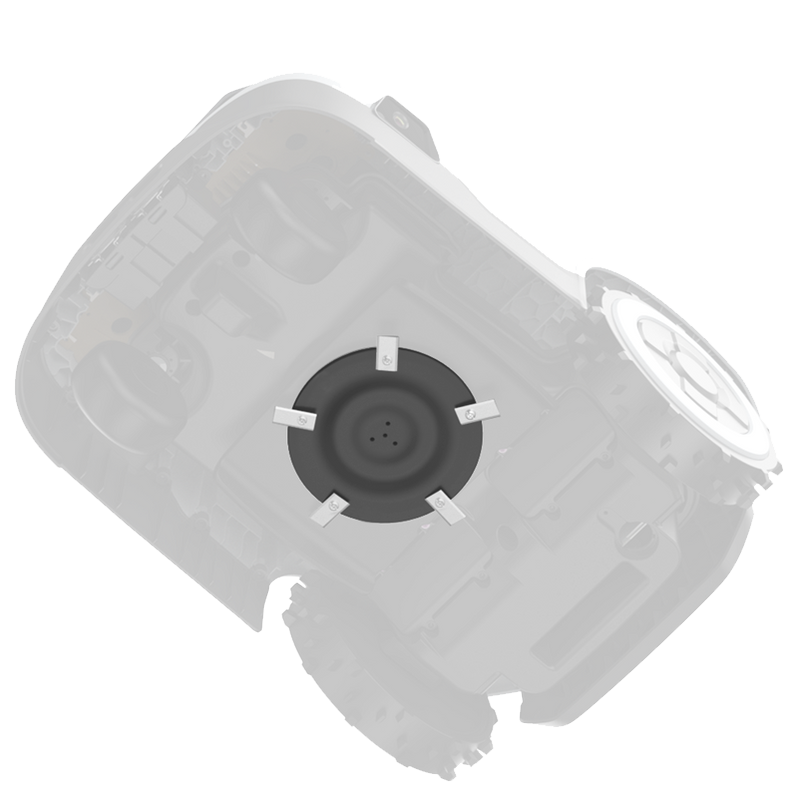
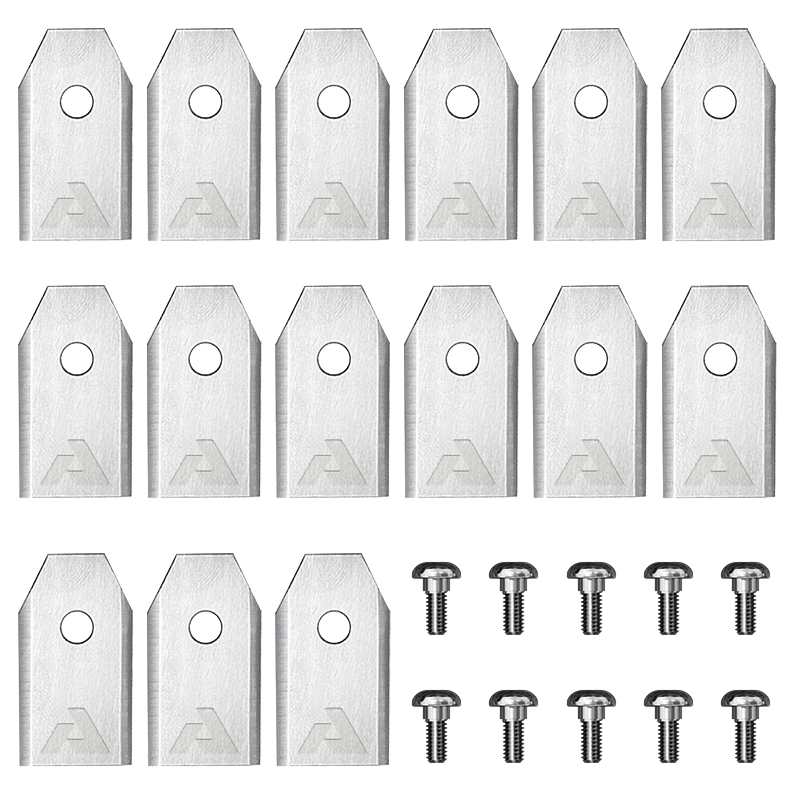
If a robotic mower wanders your grounds, forget the grindstone—these tiny, agile blades are built for replacement, requiring a fresh set the moment their keen edge begins to fade. You must clear away the stubborn, dried crust of old clippings that cling to the housing. Left unchecked, these jagged "incrustations" choke the machine’s vital airflow, transforming a powerful vortex into a sluggish breeze and leaving your lawn with a ragged, uneven finish.
Animal Protection
Mowing your lawn can be a hazard for local wildlife, but a few simple habits can turn your yard into a safe sanctuary. Here’s how to protect your wild neighbors while keeping your grass in check. Before you start mowing, it is better to walk your entire yard to chase away any wild animals. And when you are mowing, start in the center and end on the edge. This pushes animals toward the safety of the perimeter rather than trapping them in a shrinking island of grass.

Besides, refrain from mowing at night when the nocturnal animals, such as toads or hedgehogs, are most active and hard to spot. Most robot lawn mowers now feature AI vision to get around wild animals. But, these mowers should not be operated without supervision either, as they may have blind spots when making turns or back-walking.
Noise Pollution from Mowing
Noise is a major problem, especially in populated areas. Noise is not just a nuisance, but a source of danger to human health that is regulated by law. In purely residential areas, it is forbidden to cut the lawn with petrol or electric mowers on Sundays and public holidays. Monday to Saturday may be mowed from 7:00 a.m. to 8:00 p.m. Robot lawn mowers are really helpful, as they can run quietly.
Summary of Lawn Mowing Know-How
A lush, velvet carpet of green isn’t a happy accident—it’s a masterpiece of timing and technique. To transform a patchy plot into a dense sanctuary, you have to master the art of the cut. It’s not just about hacking away the height; it’s about knowing the precise moment the grass is primed for a trim, the mowing pattern, the grass conditions, and also the wild buddies living in your lawn.

Leave a comment
This site is protected by hCaptcha and the hCaptcha Privacy Policy and Terms of Service apply.