













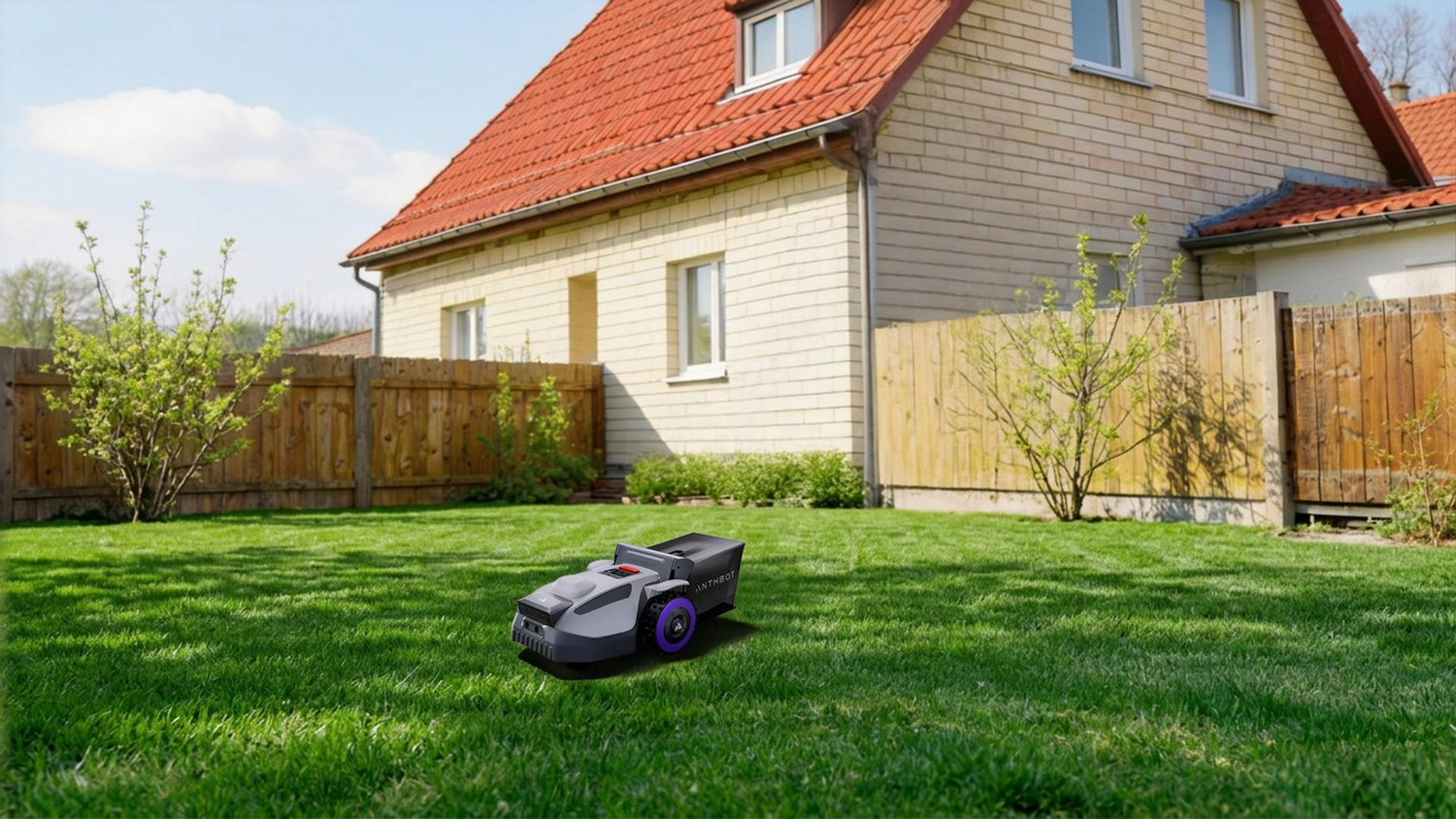
February brings the first true whispers of spring: daylight lingers longer, crocuses and daffodils begin to jewel the soil, and the earth finally starts to lose its winter bite. As the grass transitions from dormant browns to vibrant emerald, you might feel an itch to grab the mower. But before that, it’s worth asking: is your lawn ready for its first trim, or does it need a few more days of sunshine to strengthen its roots?
Table of Contents
Importance of the First Mow
The first mowing of the season is crucial for the healthy growth of your lawn grass throughout the year. It sets the tone for the entire season, helping to establish a strong, resilient lawn.
- Encourages Growth and Thickness: Trimming the tips stimulates lateral growth, forcing the grass to thicken up rather than just growing taller.
- Removes Dormant/Damaged Blades: It cleans up the lawn by removing dead, brown winter growth, particularly helpful for Bermuda grass.
- Protects Root System: A proper first cut ensures the roots are strong enough to handle, preventing damage to young plants.
- Weed Prevention: A well-timed first cut prevents weeds from establishing themselves early in the season.
Tips for the First Mowing
The first mow of the season has a lot of factors to consider. Before you mow, follow these steps to make sure you start the year off right.
Prepare the Tools
First mowing often involves a wide range of tools. You need a sharp-bladed mower, a string trimmer for tight spots, and a leaf rake for clearing debris. Safety gear, including gloves and sturdy shoes, is also essential. For long, overgrown grass, use a string trimmer first to avoid straining the mower.
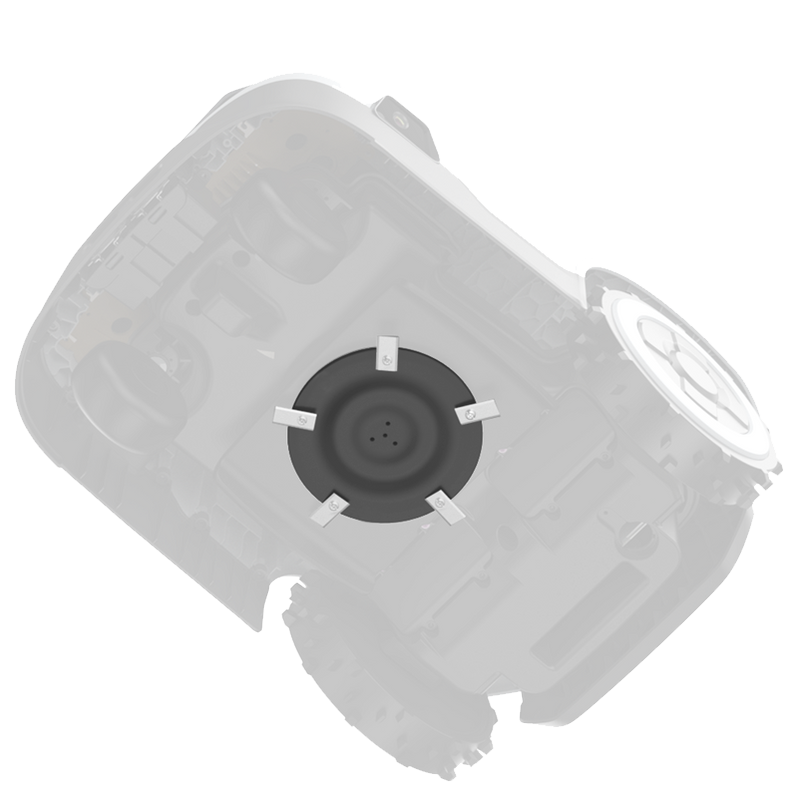
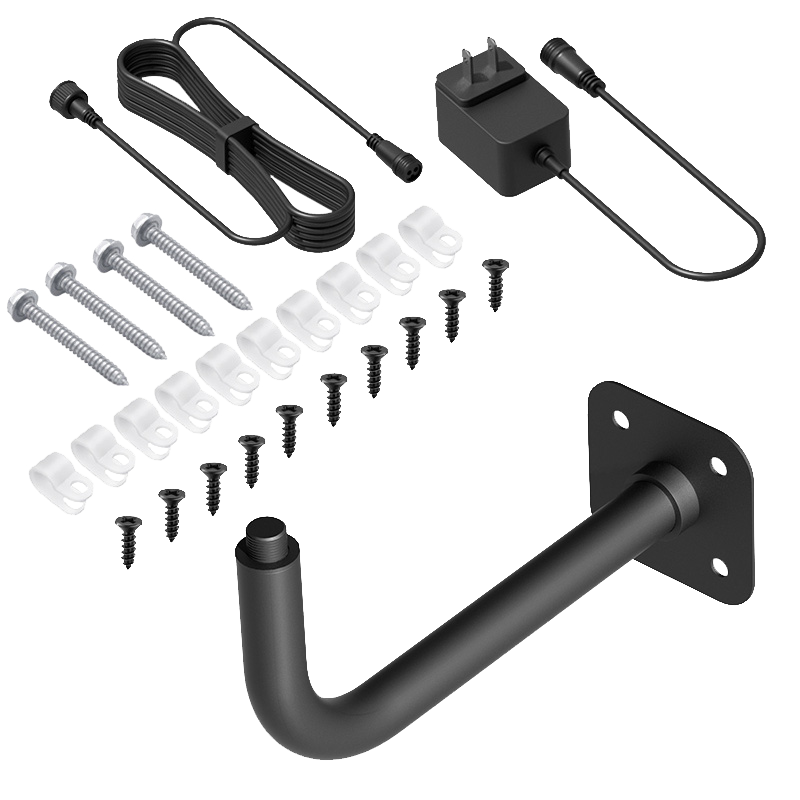
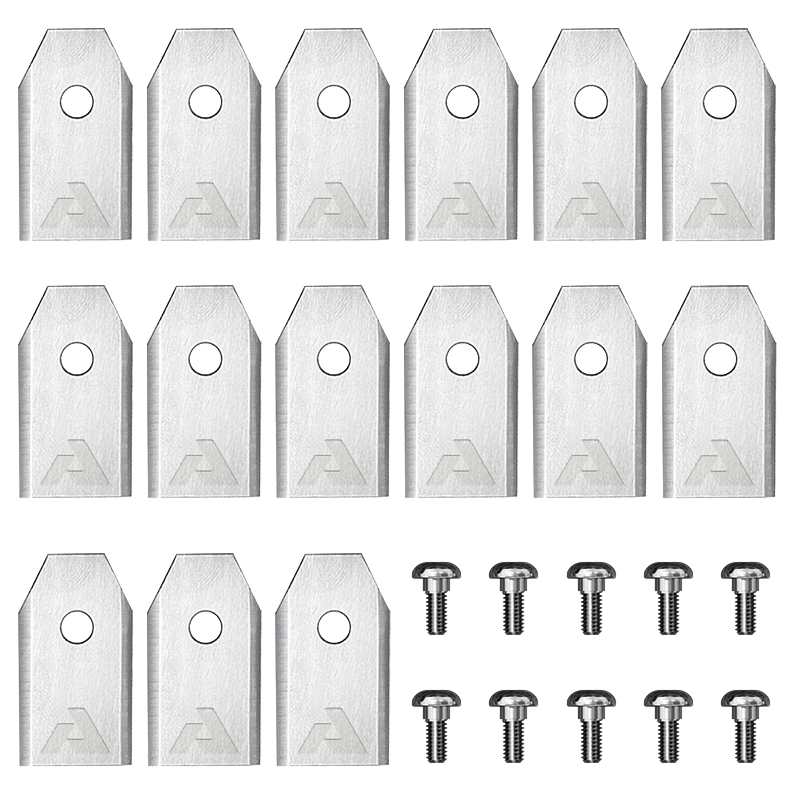
In addition, your mower blade can get dull after sitting at the corner for 4-5 months. So the first thing to do is sharpen or replace mower blades. You may also need to clean the undercarriage and charge the battery. For the robot lawn mower to navigate using the RTK technology, reinstall the RTK station and redo the mapping.

Clear the Debris
First mowing cannot be carried out until the lawn has been properly cleared away.
Debris like sticks, rocks, toys, and pet waste can result in mower damage and safety hazards. Rake up winter matting, dead grass, and fallen leaves to improve air circulation and sunlight access.
In cases where the lawn has suffered in winter due to heavy snow or winter illnesses and appears dead or "sticky", the first measure can be a light treatment with a leaf rake or a street broom to remove the winter residues and loosen sticky lawn parts.
Wait for the Right Timing
The meteorological calendar determines the beginning of spring on March 20 due to the position of the sun. But in practice, early spring is defined by the snowdrop and the hazelnut flower. With the flowering of the forsythia, the first spring begins.
The first mowing of the season should occur when the grass is actively growing and reaches about 3-4 inches in height, typically in late March to mid-April. You can measure your lawn to make sure that your grass is longer than the recommended mowing height. Soil temperatures should be 45-55°F for cool-season grass or 60-65°F for warm-season grass, and the grass must be dry. Avoid mowing wet grass, as it can lead to uneven cuts, clumps, and damage to the turf. (Source: Deutsche Rasengesellschaft e.V.)
For new lawns, wait until seedlings are 2–3 inches tall or until sod has rooted (2–3 weeks) before the first, light, high-setting mow. If the grass has grown very long, reduce the height gradually over several days to avoid shocking it.
Spring Scalp for Warm-Season Grasses
Spring lawn scalping is the process of mowing warm-season grasses like Bermuda or Zoysia extremely low. It is normally carried out in late winter or early spring (often February/March), just as the grass is coming out of dormancy but before heavy green-up, and after the risk of the last hard frost has passed. This process can remove thatch and dead brown material, allowing the soil to heat up faster, preparing the turf for the growing season. But there is a caution — do not scalp new, under-established sod, as it can cause significant stress.

Cut 1/2 Inch Shorter for Cool-Season Grasses
For the first mowing of the season, set the lawn mower to a cutting height of 2.5 inches for cool-season grass, or roughly 1/2 inch lower than your typical summer height. This approach removes dead winter tips, encourages thicker, denser growth, and prevents shocking the grass, provided you follow the one-third rule. (Source: Deutsche Rasengesellschaft e.V.)
Use Bagging Mode
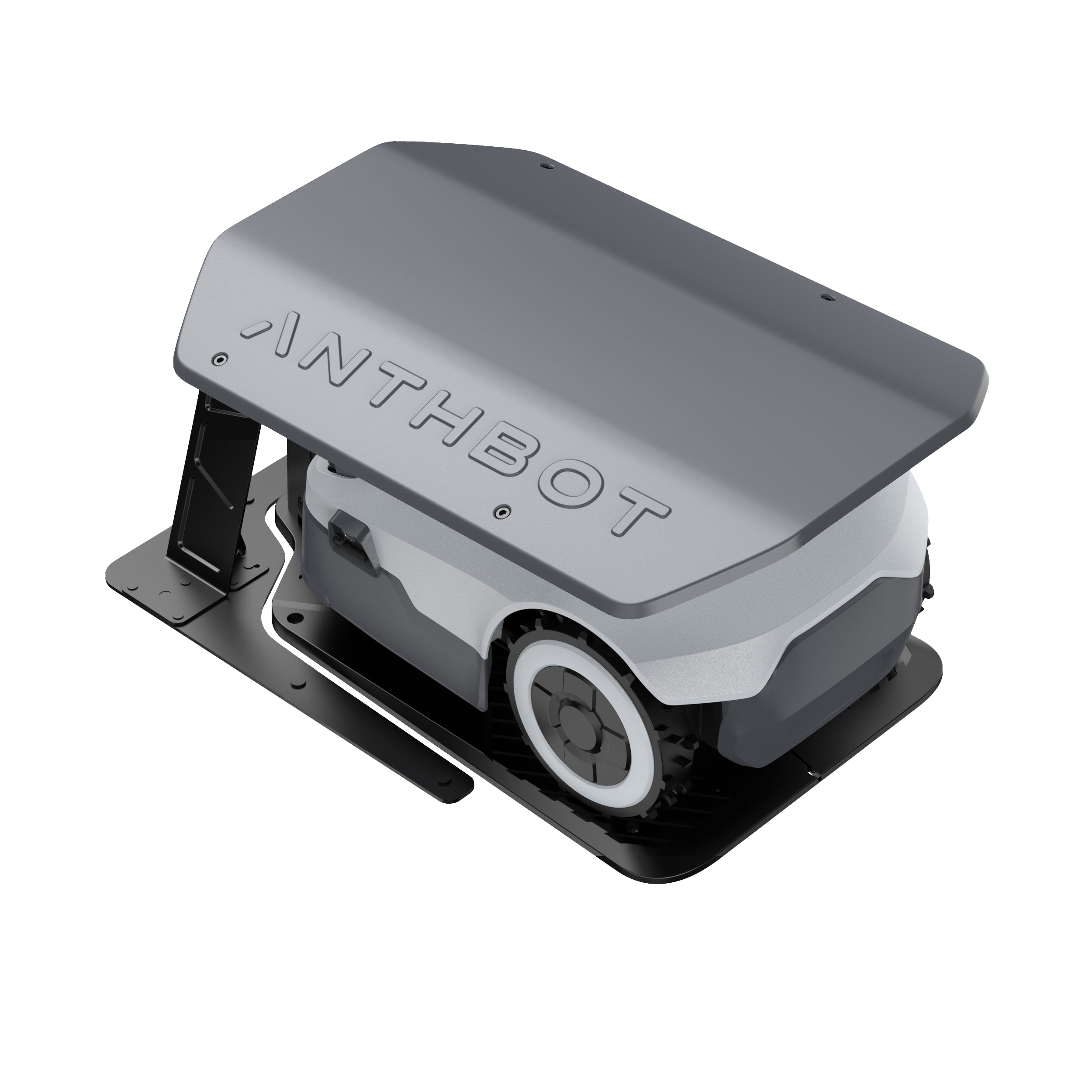
Bagging is highly recommended for the first mow of the season to remove long, thick, or dormant winter debris, which prevents clumping and suffocating new growth. After this first spring cleaning, the lawn appears even again. And it can effectively reduce the risk of fungal infections. If you have decided to bag it during the first mow, use a high-lift blade if possible to maximize collection efficiency and avoid scalping. Also, make sure that the grass is dry to avoid clogging the mower. That's why you need an ANTHBOT N Series robot lawn mower that offers a convenient bagging mode.

Summary of the First Mowing
The first mowing of the season lays the foundation for a lush green lawn throughout the year. It comprises a string of lawn care activities from tool maintenance, lawn cleanup and right mowing settings. But they are simpler than you think by following our steps above.

Leave a comment
This site is protected by hCaptcha and the hCaptcha Privacy Policy and Terms of Service apply.