










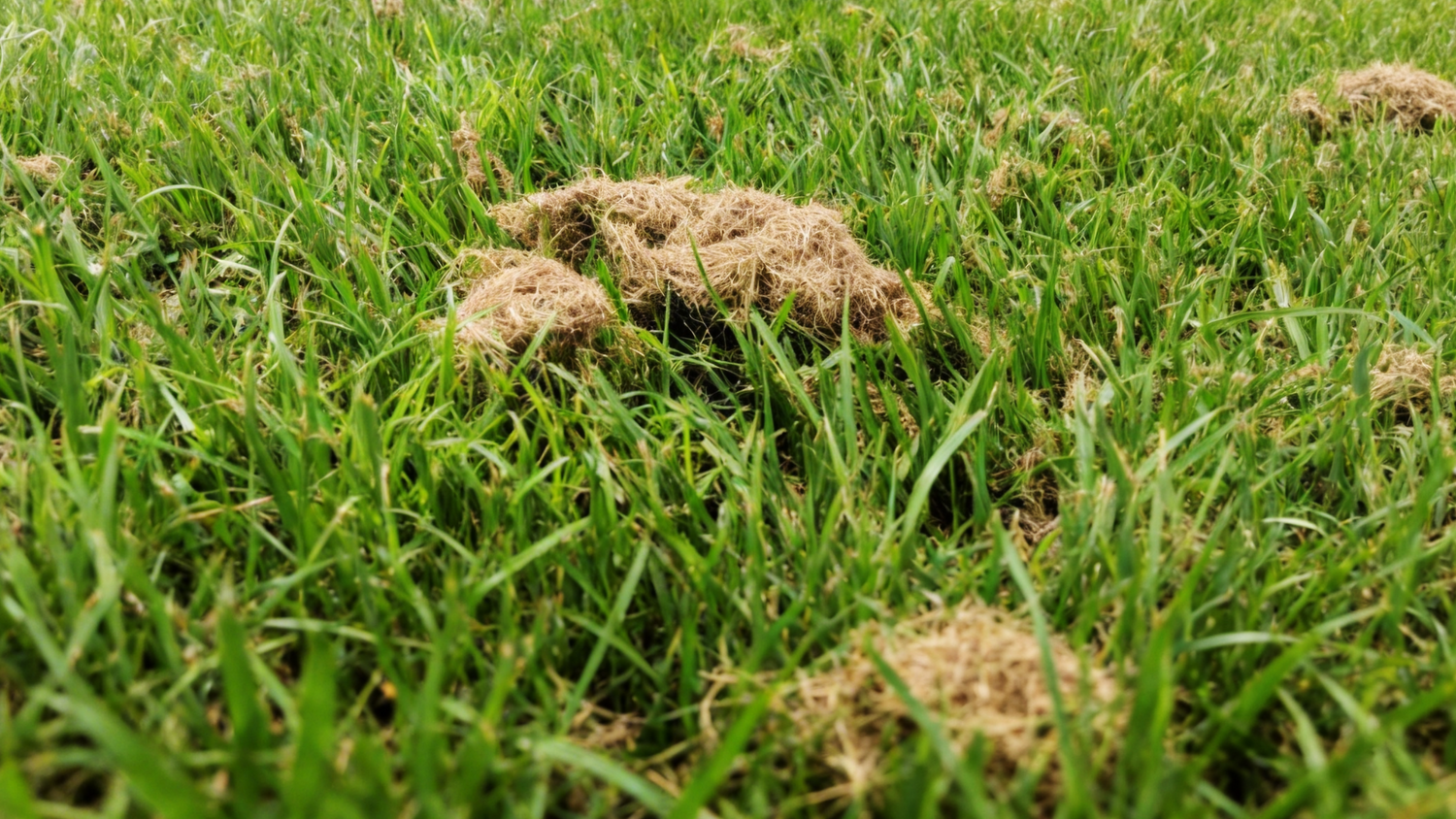
Imagine you’re rushing to mow the lawn on a Saturday morning while the dew is still heavy. You’ll likely end up with piles of wet clippings. It looks messy and can cause a headache for your curb appeal, especially when it turns dark brown.
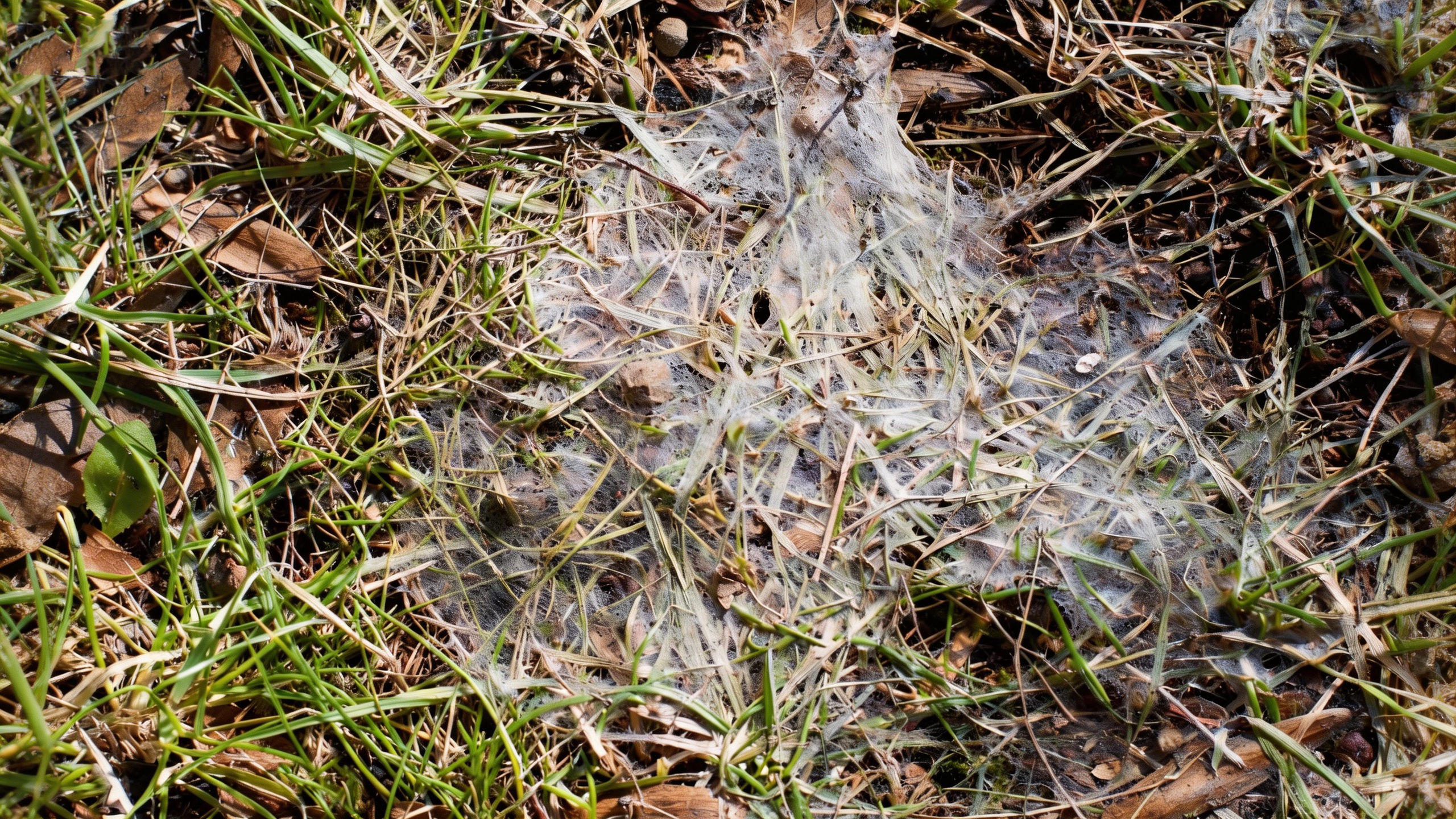
Clumped grass clippings can be quite detrimental to the lawn. They block sunlight and oxygen from reaching the healthy grass beneath, often turning it yellow or killing it entirely. They trap moisture against the soil, creating a breeding ground for fungal diseases.
Table of Contents
Causes of Grass Clipping Clumps
Clumps after mowing occur when your mower cannot process and disperse grass clippings efficiently. This can be caused by many factors.
- Mowing Wet Grass: Moisture causes clippings to stick together and to the mower deck.
- Cutting Too Much at Once: The excess volume of long clippings cannot be finely mulched or discharged properly.
- Dull Mower Blades: Blunt blades rip and tear the grass rather than slicing it cleanly, resulting in ragged pieces that are more prone to matting together.
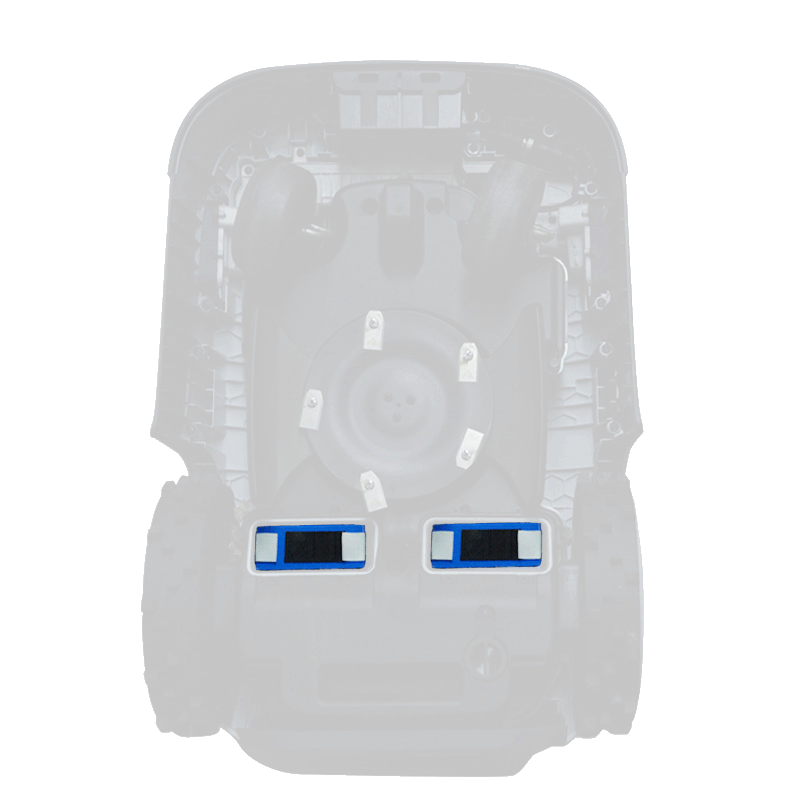
- Clogged Mower Deck: A buildup of dried grass and debris under the deck disrupts the "vacuum" effect needed for effective mulching or bagging.
- Ground Speed: Moving too fast while mowing doesn't give the blades enough time to "process" and chop the clippings before they are ejected.
Tips to Avoid Grass Clipping Clumps
Grass clumps are bad either by smothering the good grass or by out-competing it with an eyesore of a texture. Are you dealing with loose piles left behind after a mow, or stubborn tufts that won't go away? Here are some tips:
1. Follow the One-Third rule
The one-third cutting rule is a lawn care guideline stating that you should never remove more than one-third of a grass blade in a single mowing session. This practice prevents stress, reduces scalping, keeps roots healthy, and promotes a greener, more resilient lawn. This keeps clippings small enough to break down easily, returning nutrients to the soil without smothering the grass underneath. At the same time, removing too much bulk at once can overwhelm your mower’s discharge or mulching system, causing wet or thick grass to "ball up" and drop in unsightly clumps that can smother the turf.

2. Mow Dry Grass
Wet grass is the primary cause of clumping because it sticks together and to the mower's undercarriage. Aim to mow in the late morning or early evening when the grass is dry, but the sun isn’t too intense. Dry grass stands upright for a crisp, even trim, the clippings scatter evenly and break down faster, and mowing feels like a breeze. Additionally, mowing dry grass will help prevent fungal lawn diseases and won’t suffocate your grass. A wet lawn can be tested if the grass blades stick together, the lawn feels soggy underfoot, and the mower leaves tracks in your yard.
3. Bag the Grass Clippings
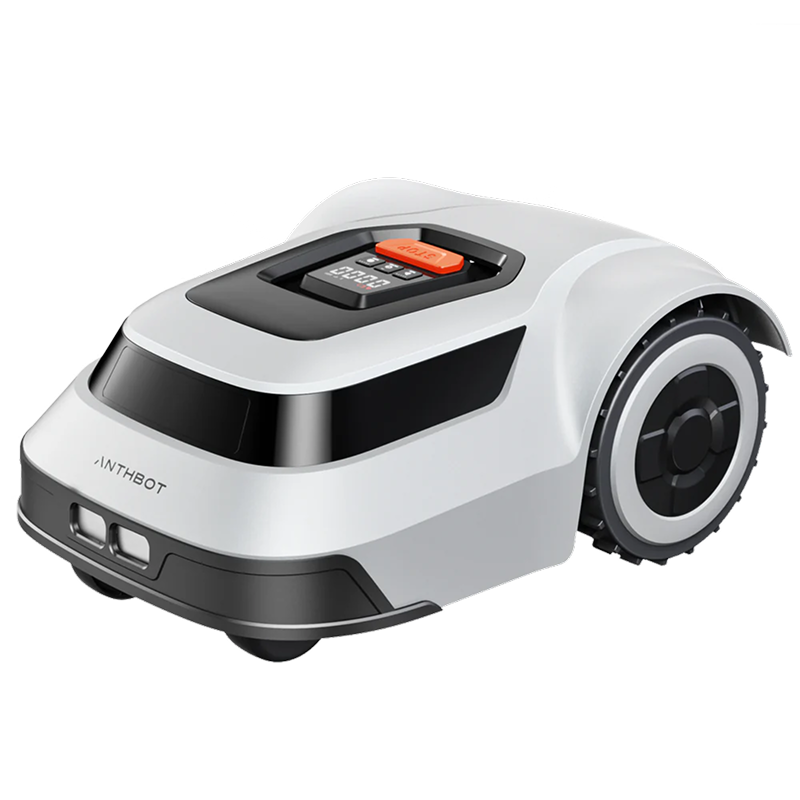
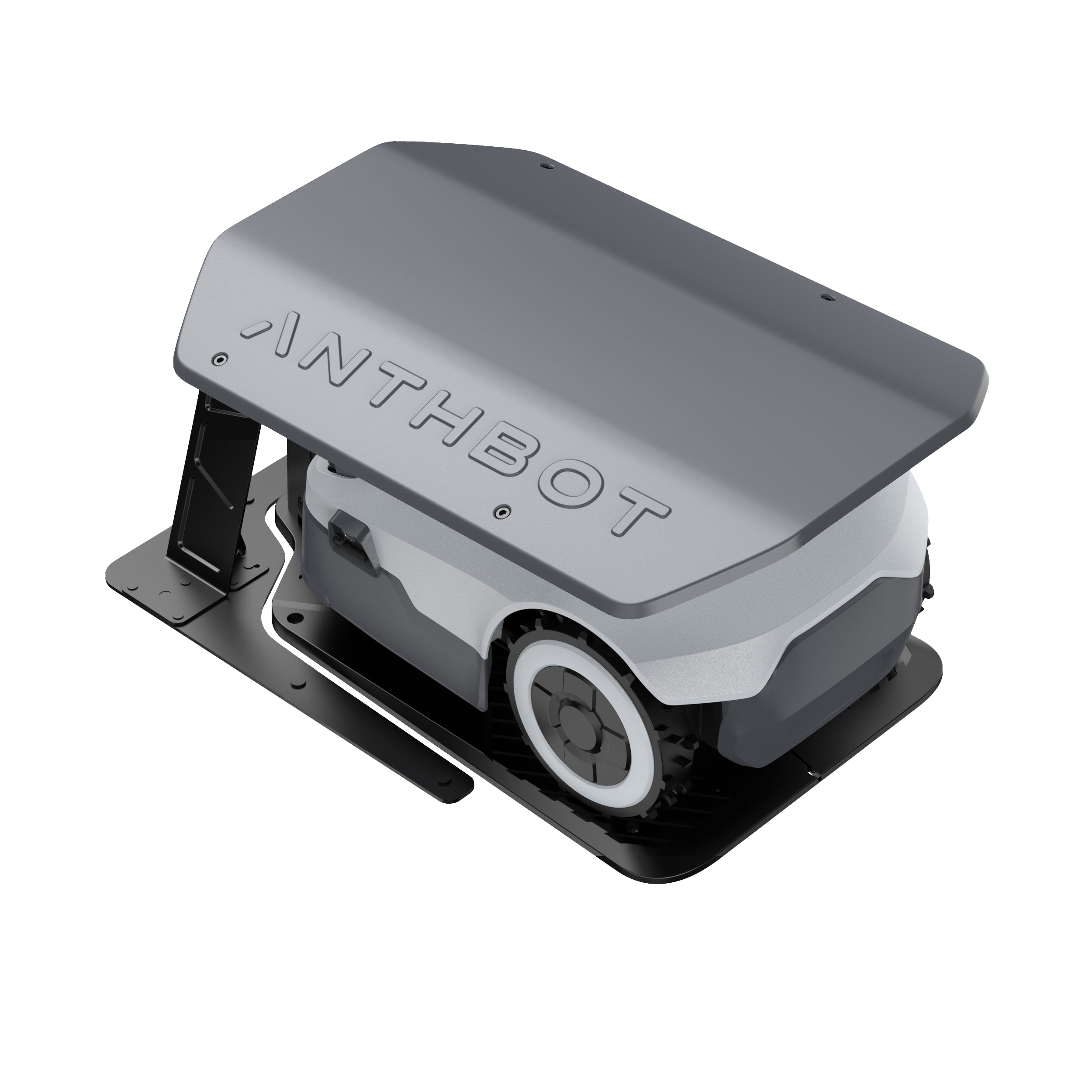
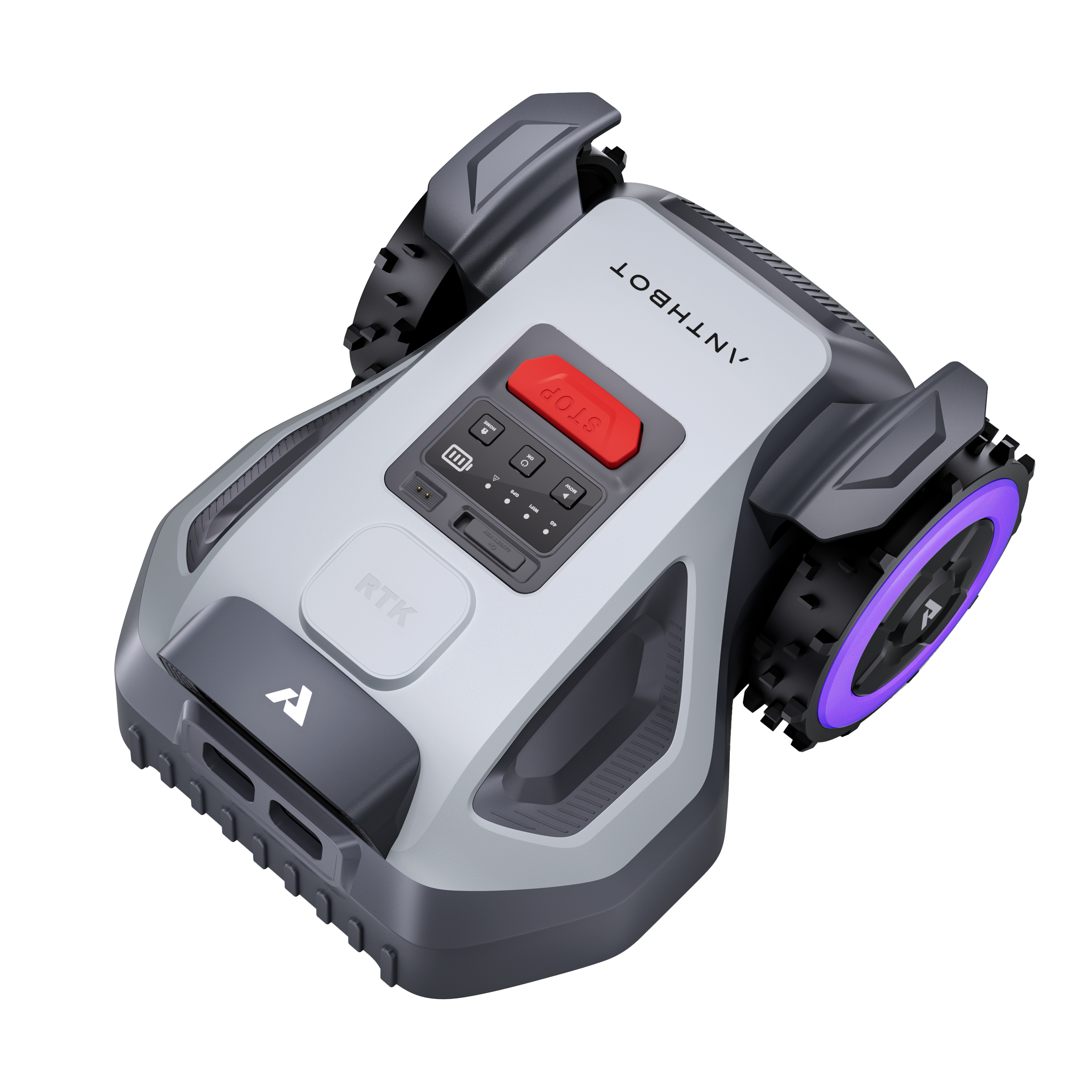
If you have to mow tall grass or wet grass, bagging can prevent long clippings from matting together and smothering the turf. Mowing wet grass often leads to heavy, sticky clumps. Bagging allows you to remove this excess moisture and bulk from the lawn immediately. While mulching is often preferred for lawn health, bagging grass clippings is a highly effective way to prevent clumping and maintain a pristine appearance, especially in challenging conditions. Good news for lawn owners: the bagging mode is now also available in the latest robot lawn mower, such as the ANTHBOT N series. You don't have to push the mower and haul the clippings-filled catcher bag by hand.

4. Adjust Frequency and Directions
Grass grows quickly in certain seasons. To avoid clumps, mow frequently in the growth seasons, which gives your lawn a light trim. If you miss a mow and the grass gets too tall, don’t stress — just raise your mower height for the first pass, then lower it and mow again a few days later.
Mowing in the same direction can also lead to issues. The grass starts bending that way, and your soil becomes compacted, leaving behind unsightly wheel marks and annoying clumps. Alternate your mowing pattern each time: horizontal one week, vertical the next, then diagonally. This not only keeps clumps at bay but also helps your grass grow upright and strong.
5. Sharpen the Blades
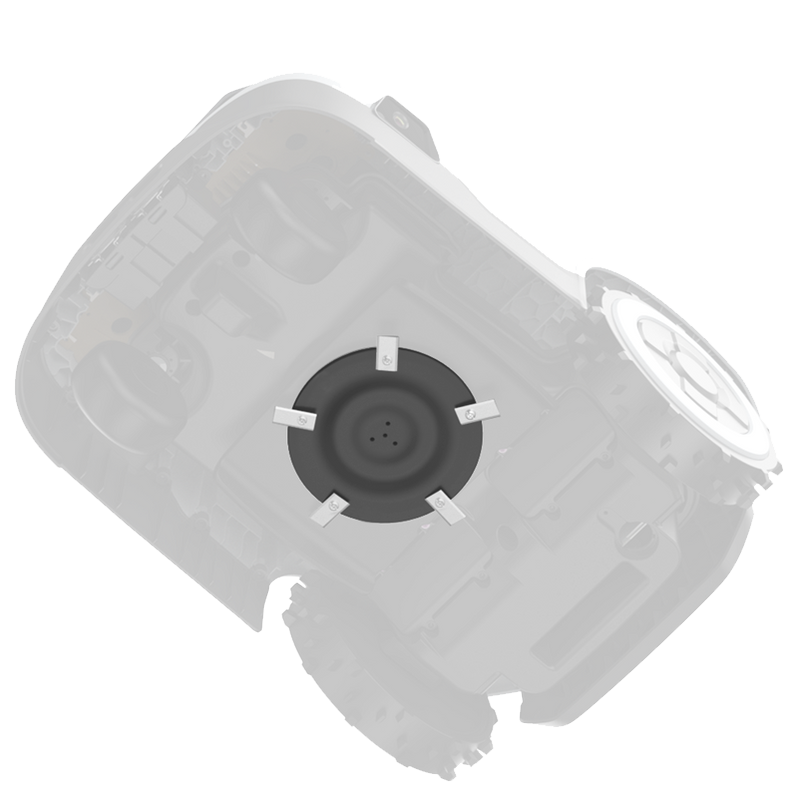
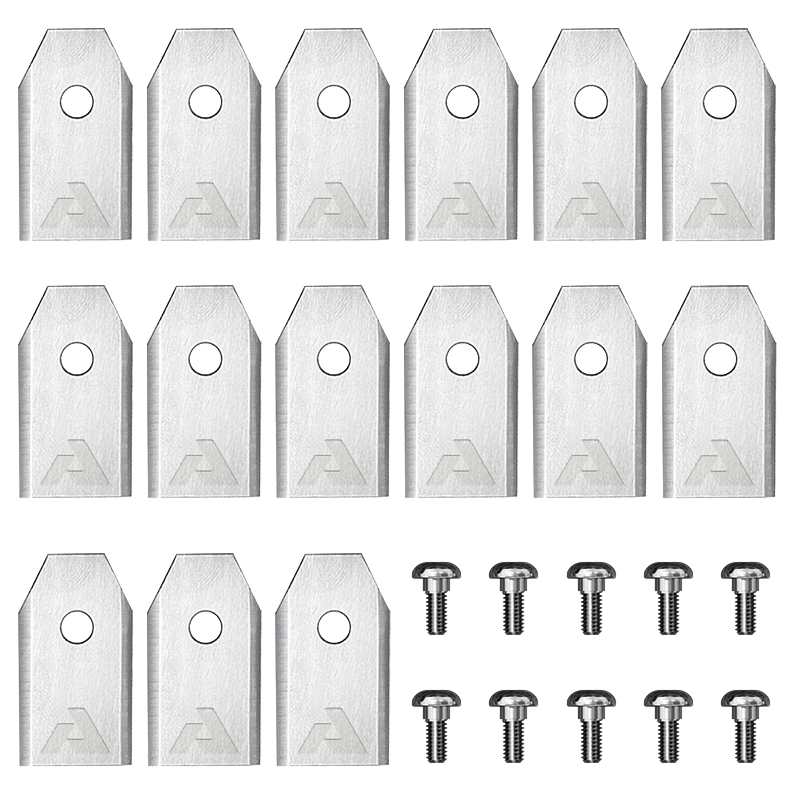
Dull mower blades don’t cut. Instead, they rip your grass, leaving ragged edges that dry out and attract lawn diseases. Worse, torn grass blades tend to clump together, creating those dreaded grass clumps all over your yard. Sharpen your blades once or twice a year — or more often if you mow frequently. Check the grass after mowing. If the tips look frayed or brown, it’s time to sharpen the blades or change to new blades.
6. Keep the Right Mower Settings
Fine-tune the cutting height. Cut too high, and you won’t trim enough to keep a tidy yard. For most grass types, the ideal cutting height is from 2.5 to 3.5 inches. Also, check your mower’s speed. If you’re rushing through the job, the blades won’t have enough time to cut cleanly, especially if your grass is tall or damp. This can cause grass clumps and an uneven cut.
7. Clean Your Mower Deck
A clogged mower deck is a clump-making machine. When grass builds up on the underside, it blocks airflow, causing clippings to drop in thick piles instead of dispersing evenly. After each mow, clean your mower deck. Usually, you can use a putty knife or brush to scrape off any grass buildup while it’s still easy to get rid of. And for most robot lawn mowers, you can rinse the deck with a garden hose. Also, apply a lubricant or a special deck spray after cleaning for future mows.

Summary of Grass Clumps Management
Grass clumps are much more complex than they appear to be. For sure, it can be quick-fixed by using a bagging mower. But attention should be paid to the mower conditions and mowing skills.


Leave a comment
This site is protected by hCaptcha and the hCaptcha Privacy Policy and Terms of Service apply.