















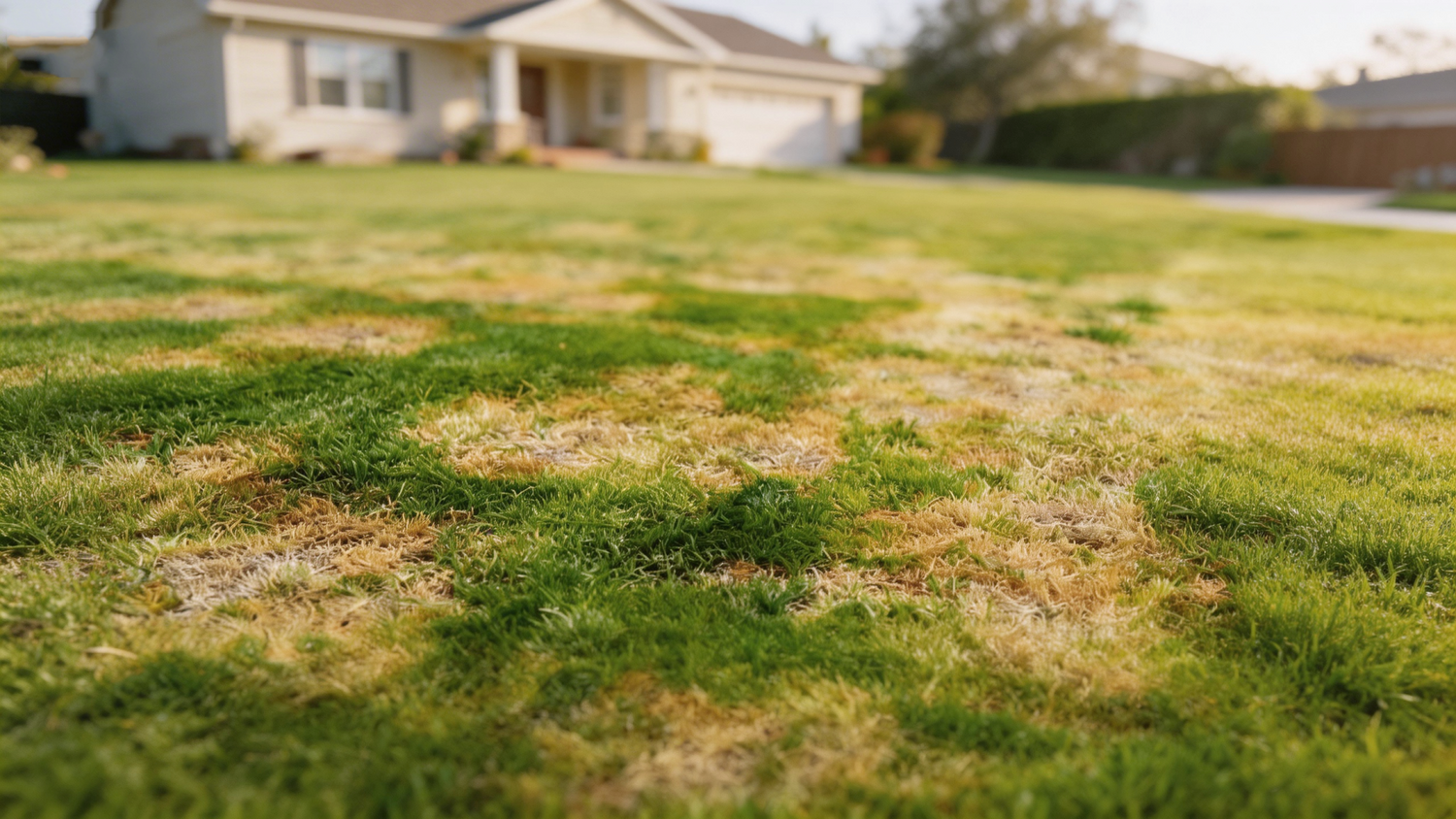
In the warm and humid months of summer, your lawn may suddenly appear with some brown patches. It looks like a wilted circle or a horseshoe pattern. Or in other cases, the lawn turns brown due to damage, pests, or drought. Brown patch disease can be a real challenge for any lawn owner. However, with the right knowledge and techniques, you can prevent and manage this common issue.
Table of Contents
How Come the Brown Patches?
Brown patches are symptoms of various lawn issues. They are primarily caused by fungal diseases (like Brown Patch or Dollar Spot), grub infestations, pet urine, improper mowing, and drought. Proper diagnosis helps determine whether the cause is disease, pests, or environmental stress.
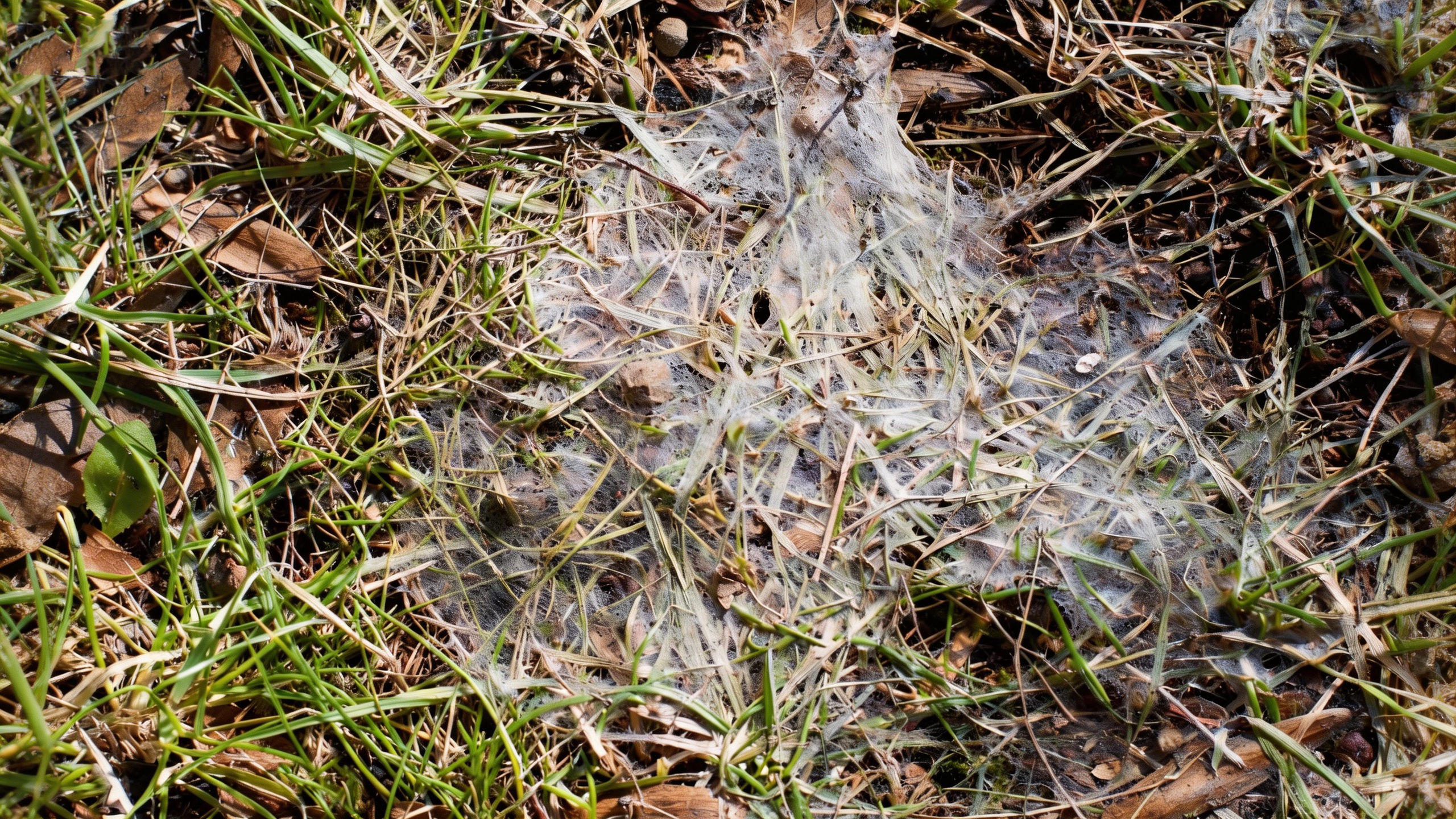
- Brown Patch Fungi: Thriving in warm, humid, or overwatered conditions, fungi like Rhizoctonia solani cause brown, circular patches, often with dark "smoke rings" in the morning.
- Grubs/Pests: White, C-shaped beetle larvae eat grass roots, causing spongy, dead areas that can be lifted like a carpet. Other pests include chinch bugs and sod webworms.
- Dog Urine/Animal Waste: High nitrogen levels in dog urine cause, often, brown, dead spots with a greener, healthier border of grass.
- Drought & Heat Stress: Lack of water or extreme heat forces grass into dormancy, resulting in brown, straw-like patches.
- Improper Mowing/Dull Blades: Mowing too short (scalping) or using dull blades tears the grass, creating brown, jagged edges.
- Chemical/Fertilizer Burn: Over-application of fertilizer or accidental spills can burn the grass, causing it to die.
- Soil Compaction & Thatch: Compacted, hard soil limits air and water access to roots, while excessive thatch (over 1/2 inch) can suffocate grass.
Tips to Manage Brown Patches in the Lawn
Now that we’ve unmasked the causes of brow patches, whether fungal, pest-related, or environmental. We can strike back with precision. Next step, adjust your lawn care habits accordingly.
Remedy for Brown Patch Caused by Fungi
Brown patch is a common and destructive fungal disease caused by the pathogen Rhizoctonia solani. It thrives when the air gets hot and sticky, turning lush green grass into unsightly, tan-colored circles. It especially loves "cool-season" lawns like tall fescue or ryegrass. If you see patches forming, look for lawn treatments containing Azoxystrobin and Propiconazole. These are the heavy hitters that stop the fungus in its tracks. For mild cases, mix 1 tablespoon of baking soda into a gallon of water. This makes the grass surface too alkaline for the fungus to grow, acting like a natural shield.

Solve Brown Patch Caused by Pests
Grubs eat grass roots, causing patches that feel spongy and can be rolled back like a carpet. Dig up a 1-square-foot section of affected turf. If you find more than 5 C-shaped white larvae, treatment is necessary. There are also surface feeders like cinch bugs or webworms sucking juices from grass blades or eat them directly. Apply a targeted insecticide like those containing imidacloprid and water it in to reach the soil-dwelling larvae. Rake away dead grass, add a layer of topsoil, and overseed with fresh seed.
Let Your Lawn Breathe
Use a core aerator to punch holes in hard-packed ground. This helps water drain better and encourages roots to grow deep, making your grass strong enough to resist diseases. Besides, you need to prune overgrown bushes and thin out thick leaves. This allows air to move freely across your yard, which dries up the extra moisture that fungus needs to grow. If your grass looks flat or matted, gently lift it with a leaf rake. "Fluffing" the grass helps it dry out faster and prevents it from staying soggy. By combining these steps, you aren't just treating a problem—you're building a stronger, healthier lawn that can protect itself.
Mow in the Right Way
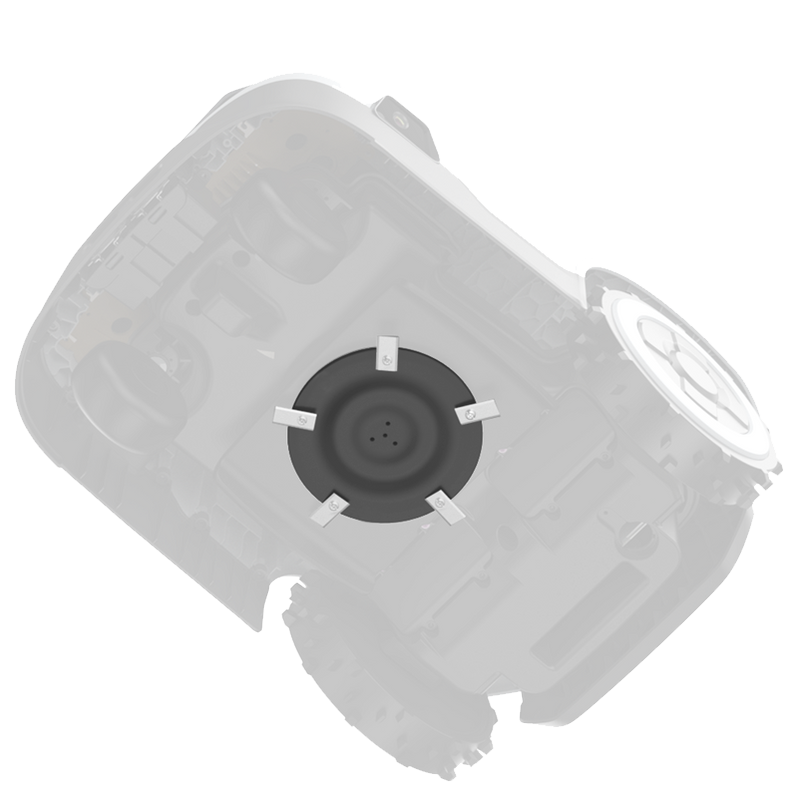
A razor-sharp blade creates a clean, crisp cut that heals quickly. In contrast, a dull blade shreds and tears the grass, leaving "frayed" ends. These jagged edges act like open wounds, making it much easier for fungus spores to enter and infect the plant. Aim to sharpen your blades at least twice a season. Avoid the temptation to "scalp" the lawn (cutting it very short). Scalping weakens the grass by removing its food-producing leaves, which stresses the plant and leaves it vulnerable to infection. While "mulching" (leaving clippings on the lawn) is usually great for nutrients, you should switch to bagging your clippings if you suspect a fungus like Brown Patch is present. By the way, the ANTHBOT N Series robot lawn mower offers an efficient bagging mode, saving you time and trouble.

Balance the Nutrients
The lawn may turn brown when it lacks nutrients or gets flooded with nutrients. Switch to a slow-release, balanced fertilizer. This provides steady nutrition for your grass without creating the nitrogen spikes that fuel fungal outbreaks. If there are pet urine spots, immediately flood the affected area with water to dilute the concentrated nitrogen.
Master Your Watering
Switch to early morning irrigation so the sun can dry the blades throughout the day. At this hour, the air is cool, and the wind is usually calm, which means water can soak deep into the soil without evaporating. Evening watering is an open invitation for fungus; if you’re doing it, stop immediately. Instead of watering for 10 minutes every day, aim for one inch of water per week, delivered in one or two deep soakings. To ensure you aren't overwatering, place an empty tuna can or a rain gauge in your yard while the sprinklers are running. Once it hits the half-inch or one-inch mark, you know your lawn has had enough for the next few days.
Rake and Reseed
Overseeding is a more thorough way to cope with the brown patch. Before you can plant new seeds, you must clear the way. Use a power rake or a heavy-duty bow rake to vigorously remove dead grass, moss, and thatch — the spongy layer of organic matter between the grass and soil. When reseeding, specifically look for endophyte-enhanced varieties, such as certain Tall Fescues or Perennial Ryegrasses. By introducing hardier, pest-resistant grass, you are essentially "upgrading" its immune system. Over time, the stronger grass will crowd out weeds and resist the environmental stresses that typically lead to brown spots.
Summary of Brown Patch Management
Brown patches can be a pestering issue for any lawn. It happens throughout the year due to various reasons. However, we have the knowledge to deal with them with confidence. From proper watering and mowing to smart fertilization and eco-friendly treatments, you have the tools to keep your lawn healthy and disease-free.


Leave a comment
This site is protected by hCaptcha and the hCaptcha Privacy Policy and Terms of Service apply.