














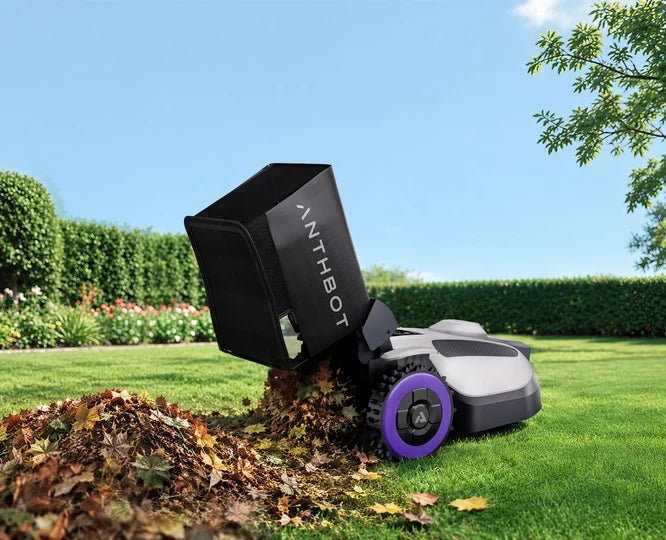
Winter can put stress on your lawn through freezing temperatures, frost, snow cover, and reduced sunlight. Grass growth slows or stops, while wet soil and repeated foot traffic can damage the turf. A thick layer of fallen leaves may also block light and trap moisture, increasing the risk of lawn diseases.
Preparing your lawn in fall helps it withstand winter conditions and recover more easily when spring arrives. The right approach depends on your grass type, local climate, and the weather expected in your area.

Table of Contents
Why Should You Prepare Your Lawn for Winter?
Preparing your lawn for winter helps protect grass from seasonal damage and supports healthy growth in spring. A few essential tasks in fall can reduce common lawn problems and make spring maintenance easier.
- Protect grass from winter damage: Removing leaves and reducing excessive foot traffic helps prevent turf damage and moisture-related problems.
- Support healthy spring growth: Appropriate fall maintenance helps grass enter winter in better condition and recover when growing conditions improve.
- Reduce spring cleanup: Clearing leaves, removing debris, and maintaining your lawn before winter can save time when the weather warms up.
- Prevent avoidable lawn problems: Proper mowing, suitable fertilization, and timely irrigation system winterization can help reduce disease risks and prevent freezing-related pipe damage.
The key is to focus on the tasks your lawn actually needs. Grass type, local climate, soil conditions, and winter weather all affect which preparations are most beneficial.
When Should You Prepare Your Lawn for Winter?
The best time to prepare your lawn for winter depends on your grass type, local climate, and when temperatures begin to drop. Start in early fall and complete essential tasks before the ground freezes.
|
Lawn care task |
When to do it |
|
Aeration |
In fall, while the grass is actively growing, if the soil is compacted |
|
Fertilization |
According to your grass type and local recommendations |
|
Leaf removal |
Throughout fall, before leaves form a thick layer |
|
Final mowing |
When grass growth slows near the end of the growing season |
|
Irrigation winterization |
Before freezing temperatures arrive, especially if your system contains exposed pipes or components |
Cool-Season vs. Warm-Season Grasses
- Cool-season grasses, such as fescue, perennial ryegrass, and Kentucky bluegrass, typically grow most actively in spring and fall. Fall is often an important time for their lawn care.
- Warm-season grasses, such as Bermuda, Zoysia, and St. Augustine, grow most actively in warmer weather. Their fall preparation should account for slowing growth and the onset of dormancy.
Tip: Don't wait for the first hard freeze to begin preparing your lawn. Check your local weather forecast and adjust your schedule to your region and grass type.
Winter Lawn Preparation Checklist
Before winter arrives, work through this checklist to help keep your lawn healthy and reduce spring maintenance.
- Remove fallen leaves: Clear thick layers of leaves to prevent blocked sunlight and trapped moisture.
- Mow as needed: Continue mowing while the grass is growing, adjusting the cutting height to suit your grass type.
- Check soil compaction: Aerate compacted soil when conditions and grass type make fall aeration appropriate.
- Apply suitable fertilizer: Follow local recommendations rather than applying fertilizer automatically to every lawn.
- Reduce lawn traffic: Avoid unnecessary walking or equipment use on frozen, snow-covered, or waterlogged grass.
- Check watering needs: Water when necessary while the lawn is still actively growing, accounting for rainfall and local conditions.
- Winterize irrigation systems: Drain or blow out the system as appropriate before freezing temperatures arrive.
Remember: Not every lawn needs every task. Prioritize based on your grass type, soil condition, local climate, and expected winter weather.
How Winter Care Differs by Grass Type
Not all lawns need the same winter preparation. The most important difference is whether your lawn has cool-season or warm-season grass. Identifying your grass type helps you choose the right mowing, fertilizing, and watering schedule.
|
Feature |
Cool-Season Grasses |
Warm-Season Grasses |
|
Common types |
Kentucky bluegrass, fescue, perennial ryegrass |
Bermuda, Zoysia, St. Augustine |
|
Best growing conditions |
Cooler spring and fall weather |
Warm spring and summer weather |
|
Growth in fall |
Often continues growing actively |
Usually slows as temperatures drop |
|
Fall fertilization |
Often beneficial when timed appropriately |
Depends on grass type, climate, and local recommendations |
|
Final mowing |
Continue while grass grows; adjust height according to local guidance |
Mow as needed before dormancy, avoiding excessively short cuts |
|
Winter watering |
Water when needed if conditions remain dry and the lawn is still active |
Usually less frequent during dormancy, but needs vary by climate and rainfall |
Tips for Preparing Different Grass Types
For cool-season grasses: Fall is often a key period for lawn maintenance. Remove leaves regularly, aerate compacted soil while the grass is actively growing, and apply fertilizer according to local recommendations.
For warm-season grasses: Focus on maintaining appropriate mowing height, clearing leaves, and preparing for dormancy. Avoid late-season fertilization that could encourage vulnerable new growth when temperatures are falling.
Important: These are general guidelines, not universal rules. Local climate, soil conditions, and the specific grass variety can change the best timing. When in doubt, follow recommendations from your local university extension or lawn-care authority.
Aerate and Fertilize Your Lawn Before Winter
Fall aeration and fertilization can help prepare your lawn for winter, but both should be based on your grass type, soil condition, and local climate.
1. Aerate Compacted Soil
Soil compaction restricts the movement of air, water, and nutrients to grass roots. Core aeration removes small plugs of soil, creating openings that help relieve compaction and improve water infiltration.

Consider fall aeration if your lawn has:
- Hard, compacted soil.
- Areas where water pools after rain.
- Heavy foot traffic during the growing season.
- Thin grass despite appropriate watering and mowing.
Best practice: Aerate cool-season lawns while the grass is actively growing so it can recover. For warm-season grasses, choose a period when the grass is actively growing rather than waiting until it enters dormancy. Avoid aerating drought-stressed or waterlogged soil.
2. Fertilize According to Your Grass Type
Fertilizer provides nutrients that support grass growth, but the right timing and amount vary by grass type, soil conditions, and region.
- Cool-season grasses: Fall is often a suitable time to fertilize because these grasses commonly grow actively during cooler weather.
- Warm-season grasses: Fertilize during the appropriate growing period for your region. Avoid late applications that could encourage new growth just before dormancy.
Before applying fertilizer, consider a soil test to identify nutrient deficiencies and avoid unnecessary applications. Follow local recommendations for the fertilizer type, application rate, and timing.
Important: More fertilizer does not necessarily mean a healthier lawn. Excessive or poorly timed applications can waste nutrients and increase the risk of runoff or winter lawn problems.
Final Mowing and Lawn Cleanup
Before winter arrives, give your lawn a final cleanup to remove fallen leaves, clear debris, and prepare the grass for colder weather. The goal is to prevent thick layers of leaves from blocking sunlight and trapping moisture while keeping the grass at a suitable height.
1. When Should You Give Your Lawn Its Final Mow?
There is no universal date for the last mow. Continue mowing while the grass is actively growing, then stop when growth slows significantly or ceases.
- Avoid cutting too short: Follow the recommended mowing height for your grass type rather than scalping the lawn before winter.
- Mow when conditions are suitable: Avoid mowing frozen, waterlogged, or snow-covered grass.
- Keep the lawn tidy: Remove excessive clippings and debris that could form thick, damp layers.
2. Remove Fallen Leaves Before They Build Up
A thick layer of leaves can block sunlight, restrict airflow, and create damp conditions that encourage lawn disease.
- Remove heavy accumulations of leaves regularly throughout fall.
- Mulch light leaf coverage into small pieces if your mower can process them effectively without smothering the grass.
- Collect thick piles of leaves and compost them or dispose of them according to local guidelines.
3. Can a Robot Lawn Mower Help with Fall Cleanup?
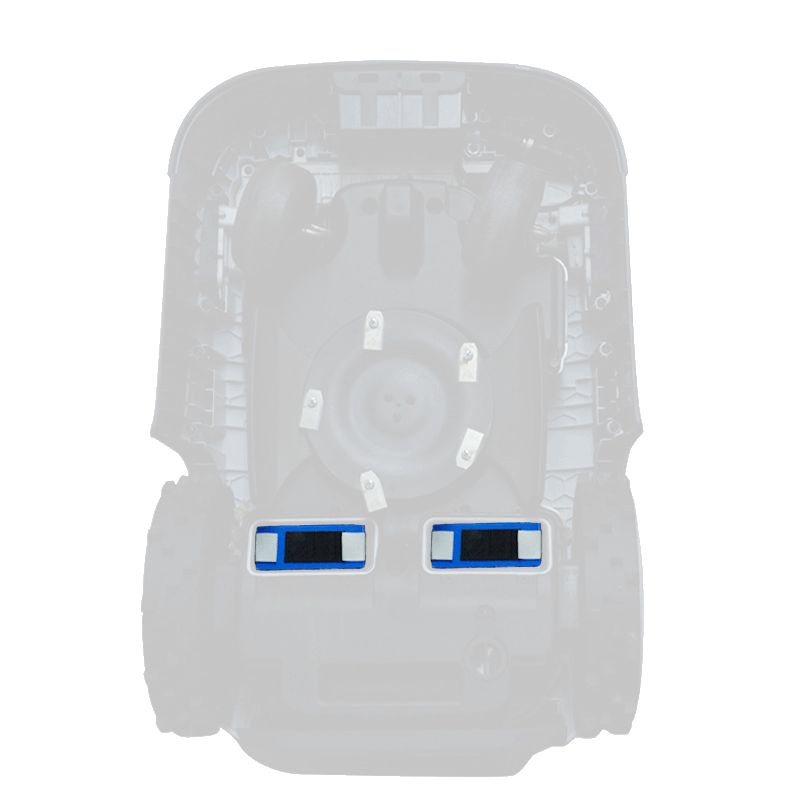
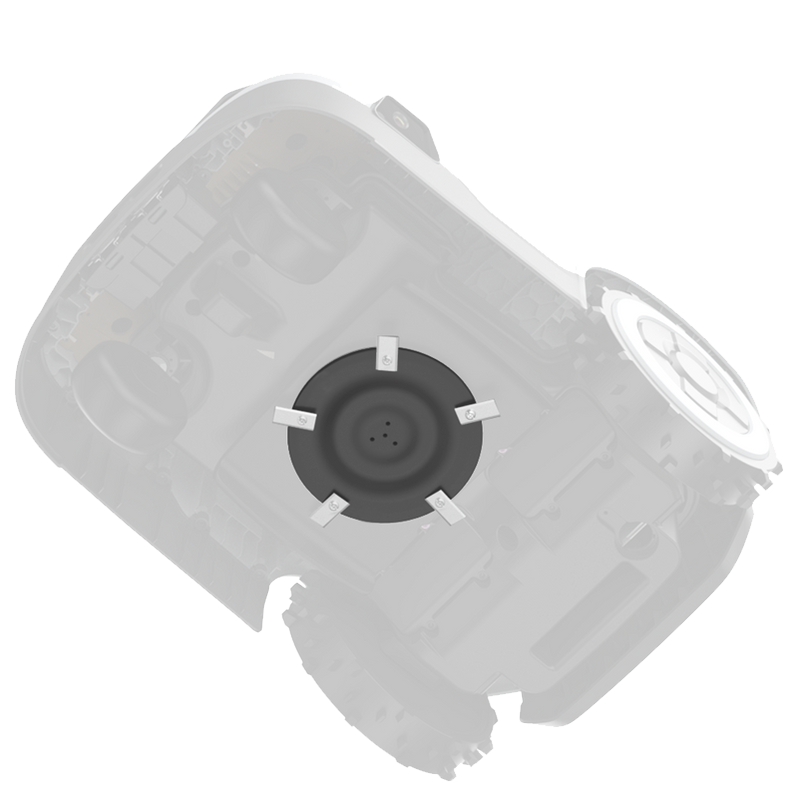
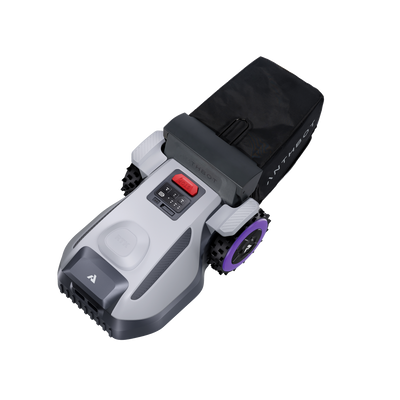
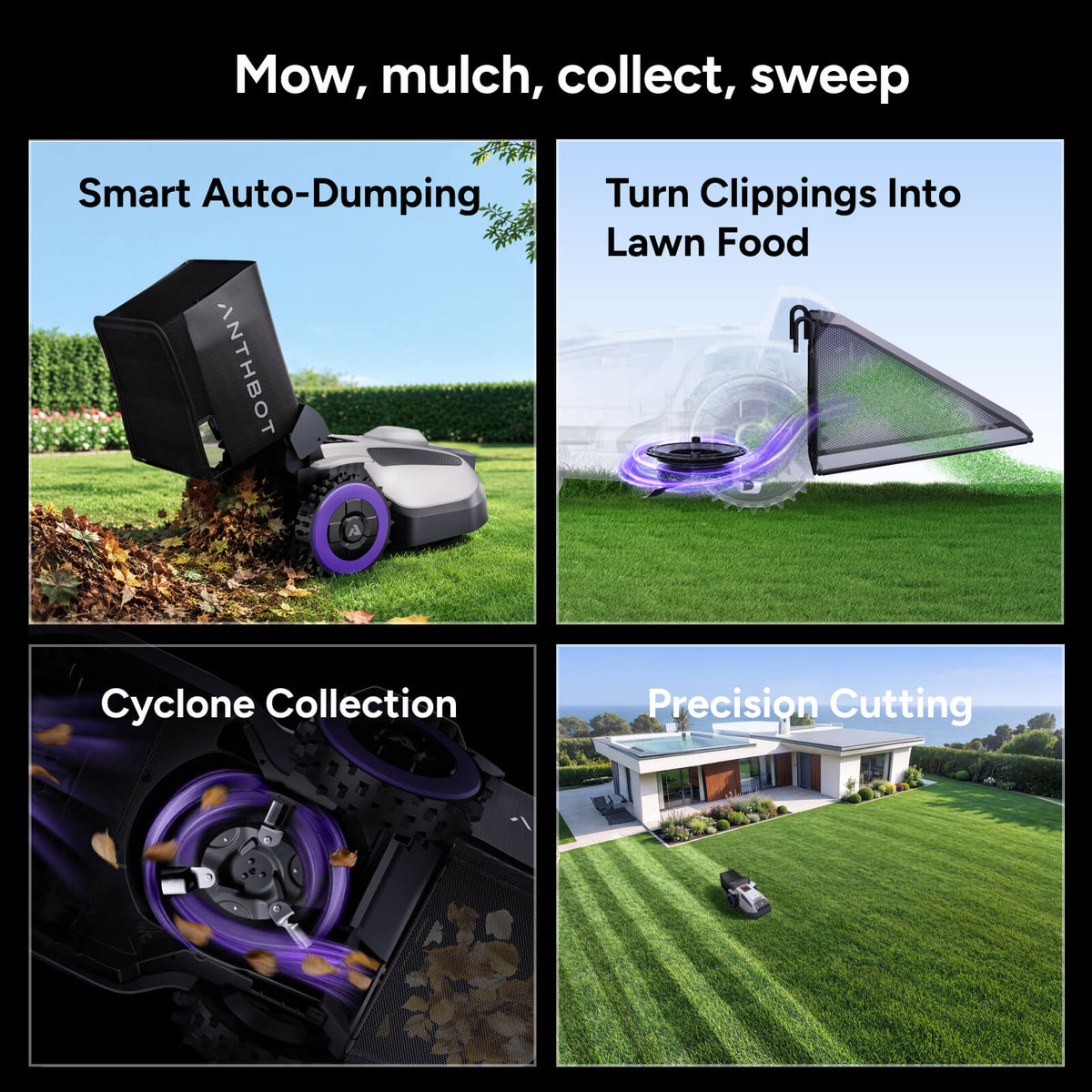
A robot lawn mower can reduce routine mowing effort while grass is still growing. Depending on the model and its capabilities, it may also mulch small amounts of fallen leaves into finer pieces.
However, a robot mower is not a replacement for clearing heavy leaf accumulation. Check your model's operating conditions and recommendations, and stop mowing when the lawn is frozen, covered in snow, or no longer suitable for mowing.

For homeowners who want to simplify regular lawn maintenance, ANTHBOT N8 robot lawn mowers can help automate mowing during suitable conditions, leaving less routine work to manage before winter.


Protect Your Lawn from Winter Damage
Cold temperatures, heavy snow, and prolonged moisture can leave your lawn vulnerable to damage during winter. Two common problems are soil compaction from foot traffic and snow mold, a fungal disease that can develop under prolonged snow cover or damp conditions.
1. Avoid Excessive Lawn Traffic
Walking or driving equipment over frozen, snow-covered, or waterlogged grass can damage turf and compact the soil, making recovery more difficult in spring.
- Keep foot traffic to a minimum: Use designated paths instead of repeatedly crossing the lawn.
- Avoid heavy equipment: Don't drive lawn equipment over soft or saturated soil.
- Protect vulnerable areas: Pay extra attention to shaded spots and areas where water tends to collect.
2. Reduce the Risk of Snow Mold
Snow mold is a fungal disease that can appear as circular patches of matted, discolored grass after snow melts. It is more likely when grass remains damp beneath prolonged snow cover.
To reduce the risk:
- Clear thick layers of leaves: Avoid leaving dense, damp debris on the lawn.
- Maintain appropriate mowing height: Continue mowing as needed in fall, but avoid cutting the grass excessively short.
- Avoid excessive late-season fertilizer: Too much nitrogen at the wrong time can encourage growth that is more vulnerable to winter problems.
- Improve drainage where necessary: Address areas that remain waterlogged for extended periods.
Snow mold risk varies with grass type, weather, and snow-cover duration. These measures can help reduce the risk, but they cannot guarantee prevention.
Tip: Once snow melts, allow the lawn to dry before raking or walking over damaged areas. Gently rake matted grass when conditions are suitable to improve airflow and help assess the extent of the damage.
Watering and Irrigation System Winterization
Proper watering and irrigation system maintenance help protect your lawn and prevent freeze-related damage before winter. The right approach depends on your grass type, local rainfall, soil conditions, and expected temperatures.
1. Adjust Your Lawn Watering Schedule
As temperatures drop and grass growth slows, your lawn generally needs less water than during the active growing season. However, don't stop watering automatically if fall conditions remain dry.
- Check rainfall and soil moisture: Water only when the lawn needs it, accounting for recent rainfall.
- Avoid overwatering: Excess moisture can contribute to waterlogged soil and increase the risk of lawn problems.
- Consider grass dormancy: Cool-season grasses may continue growing in fall, while warm-season grasses typically need less water as they enter dormancy.
Watering needs vary by region, so follow local lawn-care recommendations rather than relying on a fixed winter schedule.
2. Winterize Your Irrigation System Before Freezing Weather
Water left inside irrigation pipes, valves, and other exposed components can freeze, expand, and cause damage. Prepare your system before temperatures reach freezing.
- Shut off the water supply: Follow your irrigation system manufacturer's instructions.
- Drain the system: Remove water from pipes and components using the method recommended for your system.
- Blow out sprinkler lines if appropriate: Some systems require compressed air, but improper pressure or technique can damage equipment. Use a qualified professional if you're unsure.
- Protect exposed components: Insulate vulnerable pipes, backflow preventers, and valves as recommended by the manufacturer.
- Check the controller: Adjust or disable scheduled watering when irrigation is no longer needed.
Important: Irrigation winterization requirements differ by system design and climate. Complete the process before the first freeze, and follow the manufacturer's instructions to avoid equipment damage.

Leave a comment
This site is protected by hCaptcha and the hCaptcha Privacy Policy and Terms of Service apply.