













Table of Contents
How Often Should You Mow Your Lawn?
There's no single mowing schedule that works for every lawn. In general, most lawns should be mowed every 5–10 days during the growing season, but the ideal frequency depends on factors such as grass type, weather, season, and growth rate.
 Instead of mowing on a fixed schedule, pay attention to how quickly your grass is growing. During periods of rapid growth, you may need to mow more often, while slower-growing lawns require less frequent cutting. The goal is to maintain a healthy, consistent grass height rather than simply mowing on the same day every week.
In this guide, you'll learn how often to mow your lawn in each season, what factors affect mowing frequency, and simple tips to keep your lawn healthy and looking its best all year round.
Recommended Lawn Mowing Schedule by Season
Grass grows at different rates throughout the year, so your mowing schedule should change with the seasons. Rather than following a fixed routine, adjust your mowing frequency based on how quickly your lawn is growing.
|
Season |
Recommended Frequency |
Why |
|
Spring |
Every 5–7 days |
Warm temperatures and regular rainfall encourage rapid growth. |
|
Summer |
Every 7–10 days |
Growth slows during hot or dry weather, so mow less often to reduce stress on the grass. |
|
Fall |
Every 7–14 days |
Cooler temperatures slow growth, but regular mowing keeps the lawn healthy before winter. |
|
Winter |
Usually not required |
Most cool-season and warm-season grasses become dormant and need little or no mowing. |
Adjust Your Schedule as Needed
The recommendations above are general guidelines. You may need to mow more or less frequently depending on:
- Heavy rainfall – Grass grows faster and may require more frequent mowing.
- Hot or dry conditions – Growth slows, so wait longer between cuts.
- Fertilization – Well-fertilized lawns usually grow more quickly.
- Irrigation – Regular watering can increase grass growth, especially during summer.
Tip
Instead of mowing on a specific day each week, mow when your grass needs it. Following your lawn's growth rate rather than a calendar will help maintain a healthier, greener lawn throughout the year.
What Affects Lawn Mowing Frequency?
While seasonal guidelines are a good starting point, several factors determine how often your lawn actually needs mowing. Understanding these factors will help you adjust your mowing schedule and keep your grass healthy.
1. Grass Type
Different grass species grow at different rates. Cool-season grasses often grow fastest in spring and fall, while warm-season grasses reach peak growth during summer.
2. Weather Conditions
Weather has a major impact on grass growth.
- Warm, rainy weather encourages faster growth and more frequent mowing.
- Hot, dry conditions slow growth, meaning you can mow less often.
3. Watering and Fertilization
Lawns that receive regular watering and fertilizer usually grow faster than those that don't. If your lawn is well-maintained, you may need to mow more frequently during the growing season.
4. Lawn Health
A healthy, dense lawn naturally grows more quickly than a stressed or neglected one. If your grass is growing unevenly or slowly, it's worth checking whether it needs more water, nutrients, or better soil conditions.
5. Mowing Height
Cutting the grass too short can weaken the lawn and slow future growth, while maintaining the proper height helps promote healthy, steady growth and reduces stress.
Final Tip
Instead of following a strict weekly schedule, observe your lawn's growth. By adjusting your mowing frequency based on grass growth, weather, and lawn conditions, you'll achieve a healthier lawn with less effort.
Follow the One-Third Rule for Healthier Grass
One of the most important lawn care tips is to follow the one-third rule. This simple guideline helps keep your lawn healthy, reduces stress on the grass, and promotes stronger growth.
What Is the One-Third Rule?
The rule is simple: never remove more than one-third of the grass blade in a single mowing.
For example:
- If your grass is 3 inches (7.5 cm) tall, mow it down to 2 inches (5 cm).
- If it has grown much taller, raise the cutting height and reduce it gradually over multiple mowing sessio

Why Does It Matter?
Cutting too much grass at once can:
- Stress the grass and slow recovery
- Weaken the root system
- Increase the risk of weeds and disease
- Leave the lawn looking uneven or brown
Frequent, lighter mowing encourages healthier and more consistent growth.
Keep Your Grass at the Right Height
The ideal mowing height varies by grass type, but most home lawns perform best when maintained between 2.5–4 inches (6–10 cm). Taller grass develops deeper roots, retains moisture better, and is more resistant to heat and drought.
Tip
Rather than waiting until the grass becomes too tall, mow regularly and follow the one-third rule. Small, consistent cuts are the key to maintaining a greener, healthier lawn throughout the growing season.
Benefits of Mowing at the Right Frequency
Mowing your lawn at the right frequency does more than keep it looking tidy—it also improves the overall health of your grass. Regular mowing encourages steady growth and helps your lawn stay strong throughout the growing season.
Promotes Healthier Grass
Frequent mowing removes only a small portion of the grass blade, allowing the lawn to recover quickly and grow thicker over time.
Reduces Weeds
A dense, healthy lawn leaves less space for weeds to establish, helping reduce weed growth naturally.
Improves Lawn Appearance
Keeping your grass at a consistent height gives your lawn a cleaner, more uniform look and prevents it from becoming overgrown.
Helps Grass Resist Heat and Disease
Maintaining the proper mowing schedule reduces stress on the lawn, making it more resilient during hot weather and less susceptible to common lawn diseases.
Supports Mulching
Regular mowing produces shorter grass clippings that break down quickly and return nutrients to the soil, acting as a natural fertilizer.
Final Thought
The best mowing schedule isn't simply the most frequent—it's the one that matches your lawn's growth. By mowing regularly and following the one-third rule, you'll enjoy a healthier, greener lawn with less maintenance over time.
Can a Robot Lawn Mower Make Mowing Easier?
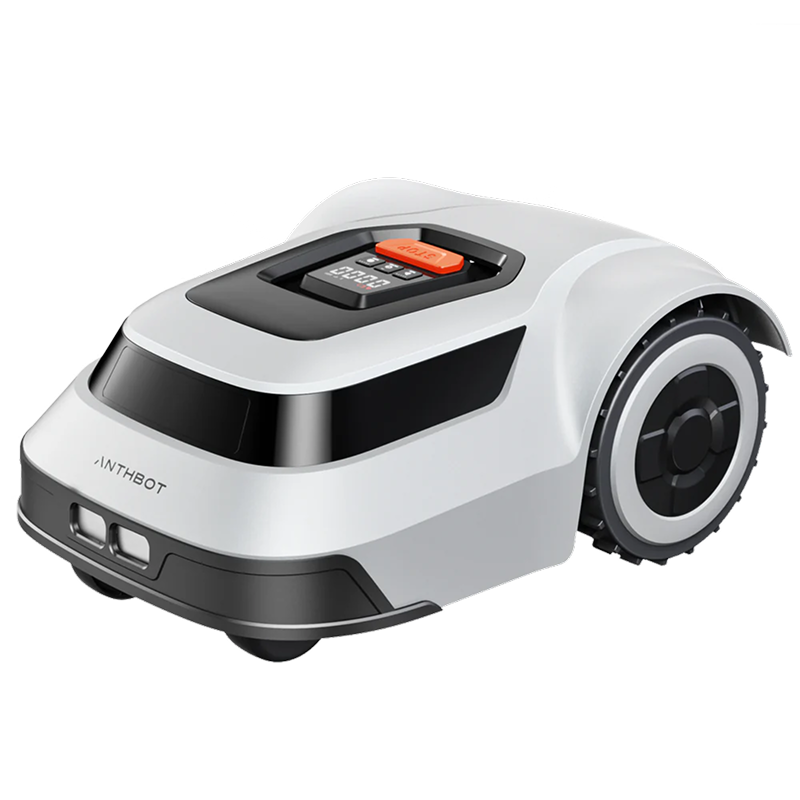
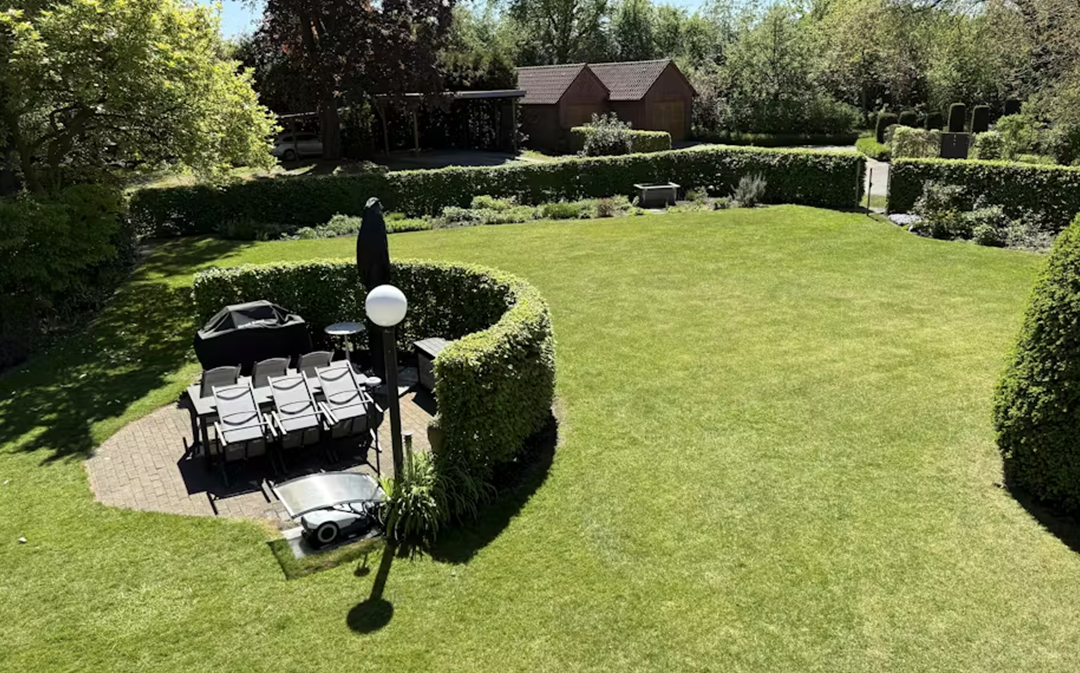
Yes. One of the biggest advantages of a robot lawn mower is that it mows little and often, which naturally follows the one-third rule and helps maintain a healthier lawn.

Instead of waiting until the grass becomes too tall, a robot mower operates on a regular schedule, trimming only a small amount of grass during each session. This keeps your lawn at a consistent height without requiring manual mowing every week.
Benefits of Using a Robot Lawn Mower
- Maintains the ideal grass height automatically
- Reduces the time and effort spent mowing
- Creates finer grass clippings that naturally fertilize the lawn
- Keeps your lawn looking neat throughout the growing season



Final Thought
If you want a consistently well-maintained lawn without adjusting your mowing schedule every week, a robot lawn mower is a convenient solution. By mowing regularly and automatically, it helps keep your grass healthy while saving you time and effort.
Final Tips for Maintaining a Healthy Lawn
There's no perfect mowing schedule for every lawn. The key is to adjust your mowing frequency based on grass growth rather than the calendar. By following a few simple practices, you can keep your lawn healthy throughout the year.
Best Practices
- Mow every 5–10 days during the growing season, adjusting as needed.
- Follow the one-third rule to avoid stressing the grass.
- Never mow wet grass, as it can lead to uneven cuts and lawn damage.
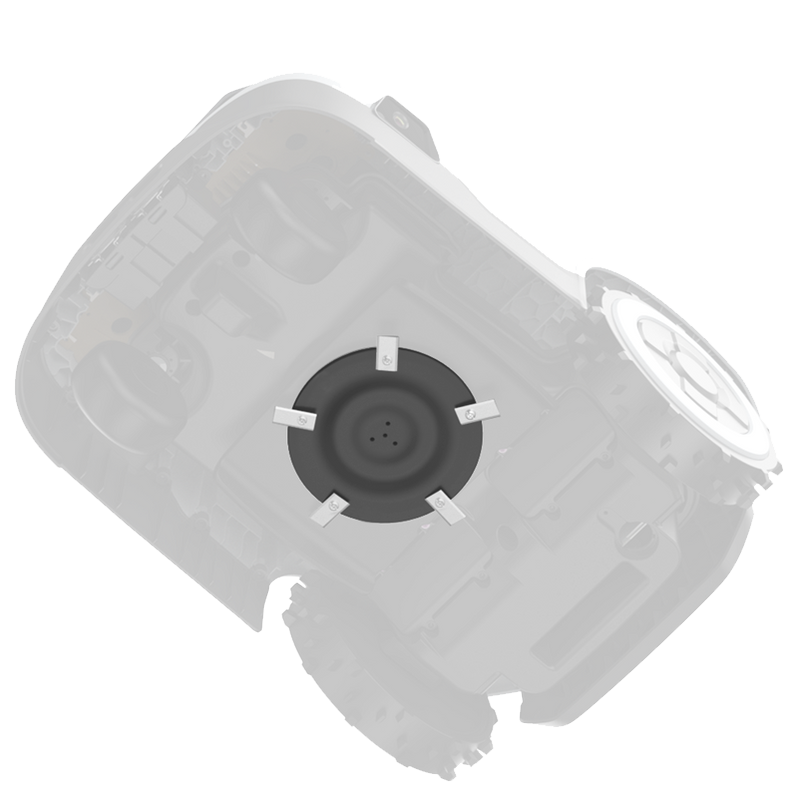
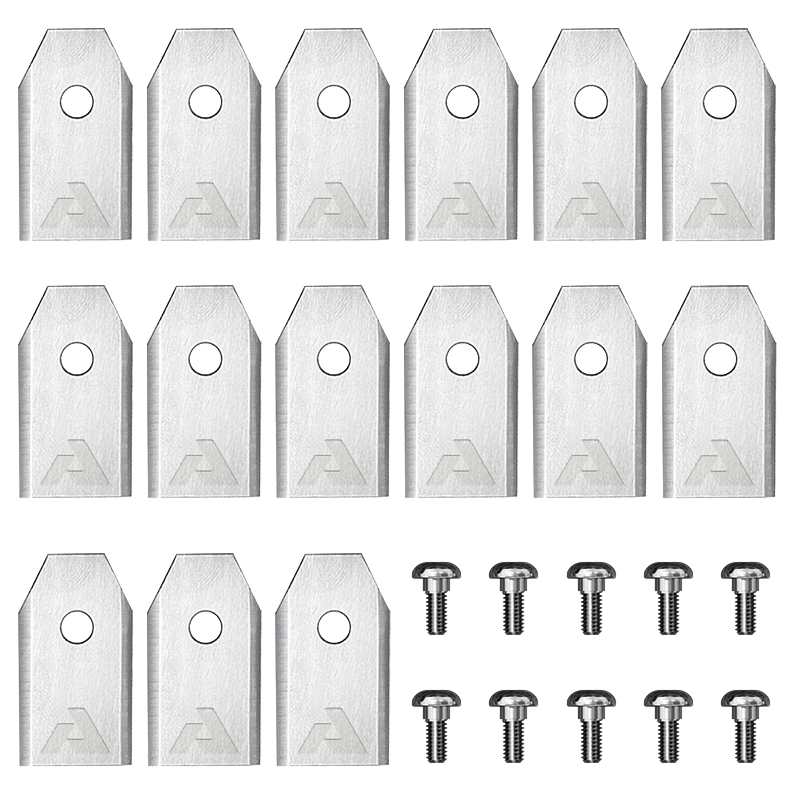
- Keep mower blades sharp for a cleaner cut and healthier grass.
- Adjust mowing frequency according to the season, weather, and growth rate.
Final Thought
A healthy lawn isn't achieved by mowing more often—it's achieved by mowing at the right time and at the right height. Whether you mow manually or use a robot lawn mower, following these simple guidelines will help you enjoy a greener, thicker, and healthier lawn all year long.
FAQs About How Often to Mow Your Lawn
1. How often should I mow my lawn?
Most lawns should be mowed every 5–10 days during the growing season. However, the ideal frequency depends on your grass type, weather conditions, and how quickly the grass is growing.
2. Is it bad to mow the lawn every week?
No. For many lawns, mowing once a week is ideal during spring and early summer. The key is to follow the one-third rule and avoid cutting off too much grass at one time.
3. Can I mow my lawn twice a week?
Yes, if your grass is growing quickly due to warm weather, rainfall, or fertilization. Frequent mowing is actually healthier than waiting until the grass becomes too tall.
4. Should I mow my lawn after it rains?
It's best to wait until the grass is dry. Wet grass can cause uneven cuts, clog the mower, and increase the risk of lawn diseases.
5. How short should I cut my grass?
Most home lawns perform best when maintained between 2.5 and 4 inches (6–10 cm). Avoid cutting more than one-third of the grass blade in a single mowing.
6. Does mowing more often make grass thicker?
Yes. Regular mowing encourages grass to grow denser, resulting in a thicker, healthier lawn that is more resistant to weeds.
7. How often should a robot lawn mower mow?
A robot lawn mower is designed to mow little and often, typically 2–5 times per week, depending on the season and grass growth. This helps maintain a consistent lawn height and naturally follows the one-third rule.
8. When should I stop mowing my lawn for the year?
You can stop mowing when the grass stops actively growing, which is usually in late fall or early winter, depending on your local climate. Resume mowing when growth begins again in spring.

Leave a comment
This site is protected by hCaptcha and the hCaptcha Privacy Policy and Terms of Service apply.