










Table of Contents
Are Robot Lawn Mowers Worth It in 2026?
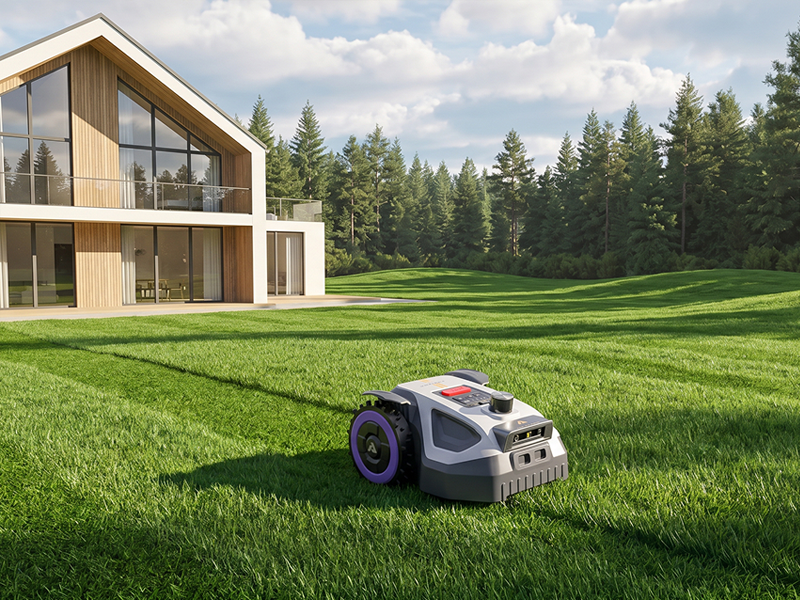
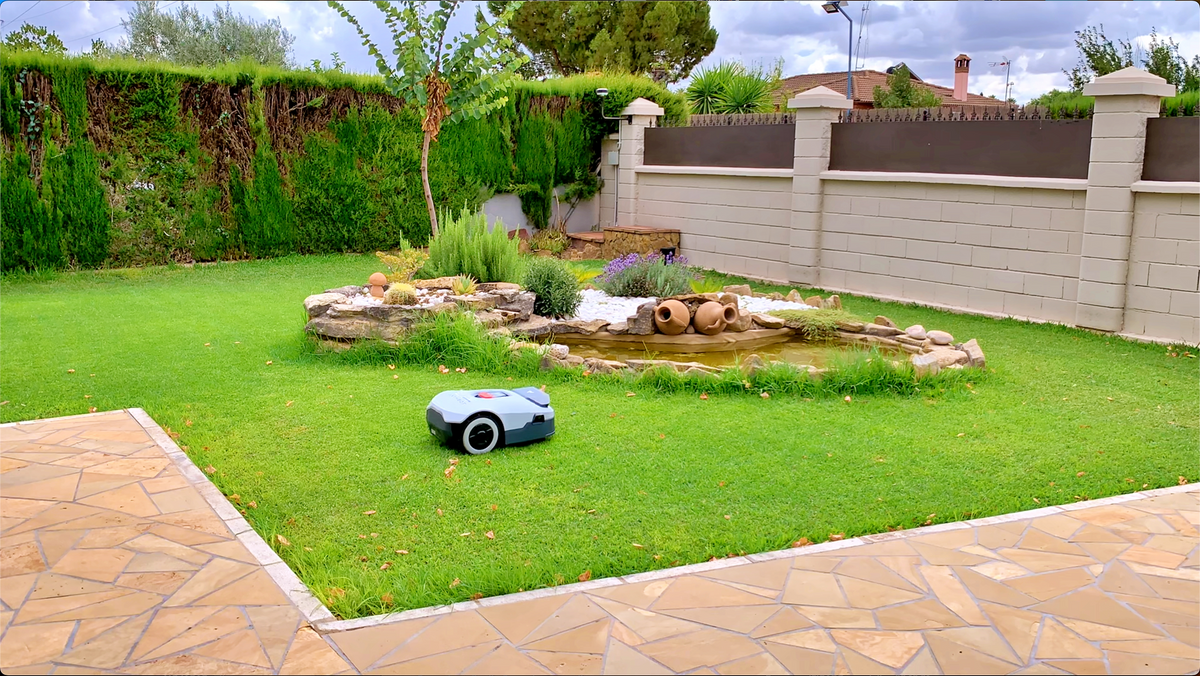
A robot lawn mower can be worth the money if you mow regularly and want to spend less time on lawn care. Unlike a traditional mower, it can mow automatically on a schedule, return to its charging station, and maintain the lawn without requiring you to be present.

The value depends on three main factors: how often you mow, how much time you spend mowing, and the size and layout of your lawn. For example, mowing once a week for 40 weeks means about 40 hours of mowing each year. A robot mower can take over much of this repetitive work, although occasional maintenance and lawn checks are still needed.
However, a robot mower is not automatically worth it for everyone. If you have a very small lawn, mow only occasionally, or enjoy mowing yourself, a traditional mower may be the more practical choice. The following sections look at the cost, potential savings, time saved, and lawn suitability to help you decide.
How Much Does a Robot Lawn Mower Really Cost?
The purchase price is only part of the cost of owning a robot lawn mower. Before buying, consider the mower itself, installation, maintenance, and replacement parts.
Upfront Cost
Robot lawn mowers typically cost more than basic push mowers because they include automated navigation, sensors, motors, and charging systems. The price can vary significantly depending on lawn size and features.
For example, a basic model designed for a small lawn may cost several hundred dollars, while models with RTK, LiDAR, AI vision, or advanced obstacle avoidance can cost well over $1,000.
Installation Costs
Installation depends largely on the navigation system. Boundary-wire models may require wire installation around the lawn, which adds time and potentially professional installation costs. Wire-free models can reduce this setup work, although some may require positioning equipment or additional configuration.
Maintenance and Running Costs
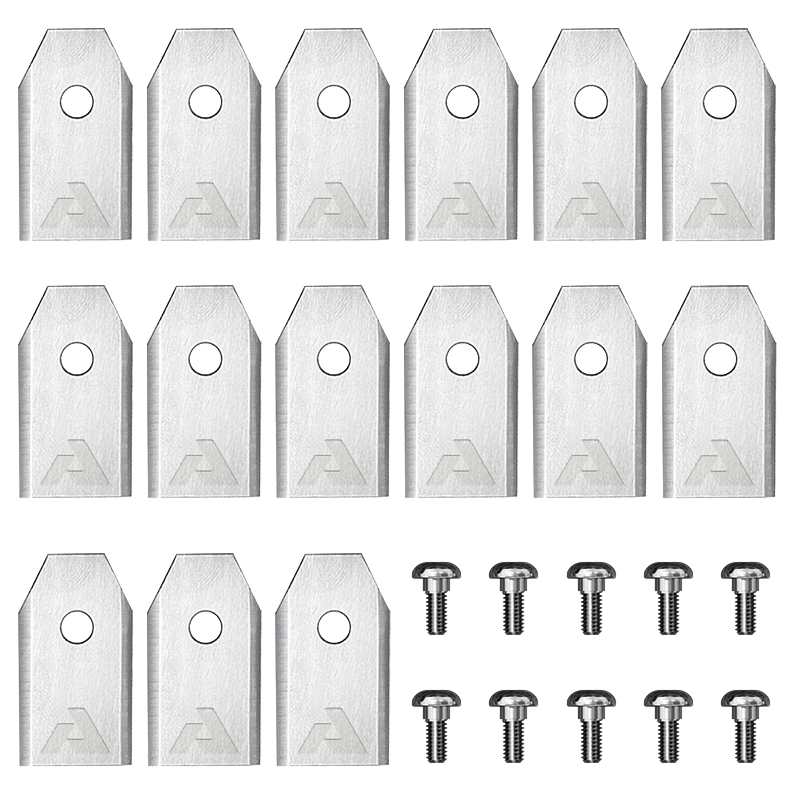
Robot mowers generally use electricity instead of gasoline, so their day-to-day energy cost is relatively low. You should still budget for blade replacements, cleaning, battery replacement over time, and occasional repairs.
The best way to compare models is to look at the total cost over 3–5 years, rather than focusing only on the purchase price. A more expensive mower may provide better value if it covers your lawn more effectively and requires less installation or manual work.
Can a Robot Lawn Mower Save You Money?
A robot lawn mower can save money, but the amount depends on what you currently spend on lawn care.
If you mow your lawn yourself, a gas mower may cost around $65–$115 per year for fuel, oil, and basic maintenance. A robot mower typically costs much less to operate, with electricity often around $5–$20 per year and total routine running costs roughly $50–$150 per year when blades and other consumables are included.
However, the biggest potential savings come from replacing professional lawn service. If you pay $40–$65 per visit and mow 25–30 times per year, that can add up to roughly $1,000–$1,950 per year.
|
Lawn Care Method |
Typical Annual Cost |
Main Cost |
|
Gas mower |
$65–$115+ |
Fuel, oil & maintenance |
|
Robot mower |
$50–$150 |
Blades, electricity & maintenance |
|
Lawn service |
$1,000–$1,950 |
Professional mowing |
So, if you currently mow your own lawn, a robot mower may not save much money directly. Its main financial benefit is saving your time. If you pay for professional lawn service, however, the potential savings can be much larger.
Robot Lawn Mower vs. Traditional Lawn Mower
The biggest difference between a robot mower and a traditional mower is who does the work. A traditional mower requires you to mow the lawn, while a robot mower handles routine mowing automatically.

|
Factor |
Gas Mower |
Robot Mower |
|
Upfront cost |
Lower |
Higher |
|
Mowing effort |
Manual |
Automatic |
|
Operating cost |
~$65–$115+/year |
~$50–$150/year |
|
Fuel |
Gasoline |
Electricity |
|
Scheduling |
Manual |
Automatic |
|
Charging |
Refueling |
Automatic charging |
|
Mowing frequency |
Usually weekly |
Can mow more frequently |
|
Noise |
Higher |
Generally quieter |
|
Maintenance |
Oil, fuel, blades, engine |
Blades, battery, cleaning |
|
Time required |
High |
Low |
A gas mower may make more sense if you have a small lawn, a limited budget, or need to mow occasionally. A robot mower is more attractive if you want to maintain the lawn regularly without spending time behind the mower.
The key trade-off is simple: traditional mowers usually cost less upfront, while robot mowers provide more automation and can save many hours of manual work over time.
How Much Time Can a Robot Lawn Mower Save?
For many homeowners, time savings are the biggest benefit of a robot lawn mower. Instead of spending an hour pushing a mower every week, you can let the robot handle routine mowing on its own schedule.
For example, if mowing takes 1 hour per week for 40 weeks, that adds up to around 40 hours per year—equivalent to about 5 full 8-hour workdays.
A robot mower does not eliminate all lawn-care work. You may still need to clean the mower, replace blades, check the lawn, and handle occasional issues. However, these tasks usually take much less time than mowing the entire lawn yourself.
The time savings become more valuable for larger lawns or homeowners who travel frequently. If you normally spend 40 hours a year mowing, reducing most of that work can be a meaningful benefit even if the mower does not provide immediate financial savings.

Who Should Buy a Robot Lawn Mower?
A robot lawn mower is most useful for homeowners who mow frequently and want to reduce the time spent on routine lawn care.
You may benefit from a robot mower if you:
- Mow every week: Frequent mowing makes automation more valuable over time.
- Have a medium or large lawn: More mowing time means greater potential time savings.
- Have a busy schedule: The mower can follow a set schedule while you work, travel, or handle other tasks.
- Already pay for lawn service: Replacing some or all professional mowing can offer greater financial savings.
- Want consistent grass height: Frequent automated mowing can keep the lawn maintained without waiting for a weekly mowing session.
If you have a very small lawn or enjoy mowing yourself, the additional cost of a robot mower may not provide enough value. The next section looks at whether your lawn itself is suitable for robotic mowing.
Is Your Lawn Suitable for a Robot Mower?
Not every lawn is equally suitable for a robot mower. Before buying, check lawn size, layout, slopes, obstacles, and the number of mowing zones.
- Lawn size: Choose a mower with enough coverage for your total mowing area. A mower rated for 500㎡ may not be suitable for a 1,000㎡ lawn.
- Lawn layout: Open, connected lawns are generally easier to automate. Narrow passages, separate areas, and complicated layouts require better navigation and multi-zone support.
- Slopes: Check the mower's maximum slope rating if your lawn has hills or uneven terrain.
- Obstacles: Trees, flower beds, garden furniture, toys, and other objects can affect mowing efficiency. Obstacle detection can be particularly useful for complex lawns.
- Lawn edges: Most robot mowers can leave some grass along walls, fences, and borders, so edge-cutting capability is worth considering.
- Multiple zones: If your lawn has separate areas, look for a mower that supports multi-zone mowing.

In general, a flat or moderately sloped lawn with clear boundaries is the easiest environment for a robot mower. More complex lawns can still work, but choosing the right navigation and obstacle-avoidance features becomes more important.
When Is a Robot Lawn Mower Not Worth It?
A robot lawn mower is not the best choice for every homeowner. In some situations, the upfront cost and setup may outweigh the benefits.
- Very small lawns: If mowing takes only 15–20 minutes, buying a robot mower may not save enough time to justify the cost.
- Infrequent mowing: If you only mow a few times a month or during a short growing season, automation provides less value.
- Very complex lawns: Steep slopes, narrow passages, many separate areas, or frequent obstacles can make robotic mowing less efficient.
- Limited budget: A traditional mower usually costs much less upfront, making it more practical when initial cost is the priority.
- You enjoy mowing: If mowing is something you find relaxing or enjoyable, saving the time may not be an important benefit.
The key question is not whether robot mowers are worth it in general, but whether they solve a problem you actually have. If you rarely mow or have a very small, simple lawn, a traditional mower may offer better value.
Which Robot Mower Features Are Worth Paying For?
Not every advanced feature is necessary. The best choice depends on your lawn size, layout, and how much automation you want.
|
Feature |
Worth Paying For? |
Best For |
|
Wire-free navigation |
Yes |
Users who want easier setup and no buried boundary wire |
|
RTK positioning |
Yes |
Larger lawns and precise navigation |
|
LiDAR / AI Vision |
Yes for complex lawns |
Lawns with trees, furniture, pets, or other obstacles |
|
Obstacle detection |
Yes |
Busy or complicated lawns |
|
Multi-zone mowing |
Yes if needed |
Lawns with separate mowing areas |
|
Edge cutting |
Useful |
Lawns with many borders, fences, or flower beds |
|
High slope capability |
Only if needed |
Hilly or uneven lawns |
|
App control |
Useful |
Users who want remote scheduling and monitoring |
For a small, simple lawn, basic automatic mowing and reliable navigation may be enough. For a larger or more complicated lawn, features such as RTK, LiDAR, AI vision, multi-zone control, and stronger obstacle avoidance can justify a higher price.
The goal is not to buy the mower with the most features, but to pay for the features that solve problems on your lawn.
Which ANTHBOT Robot Mower Fits Your Lawn?
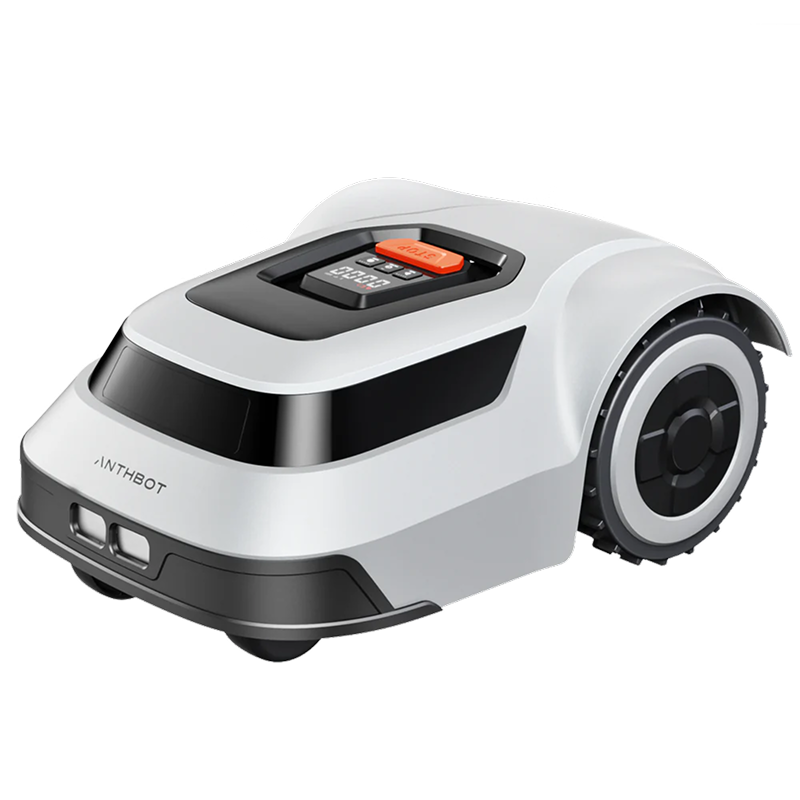
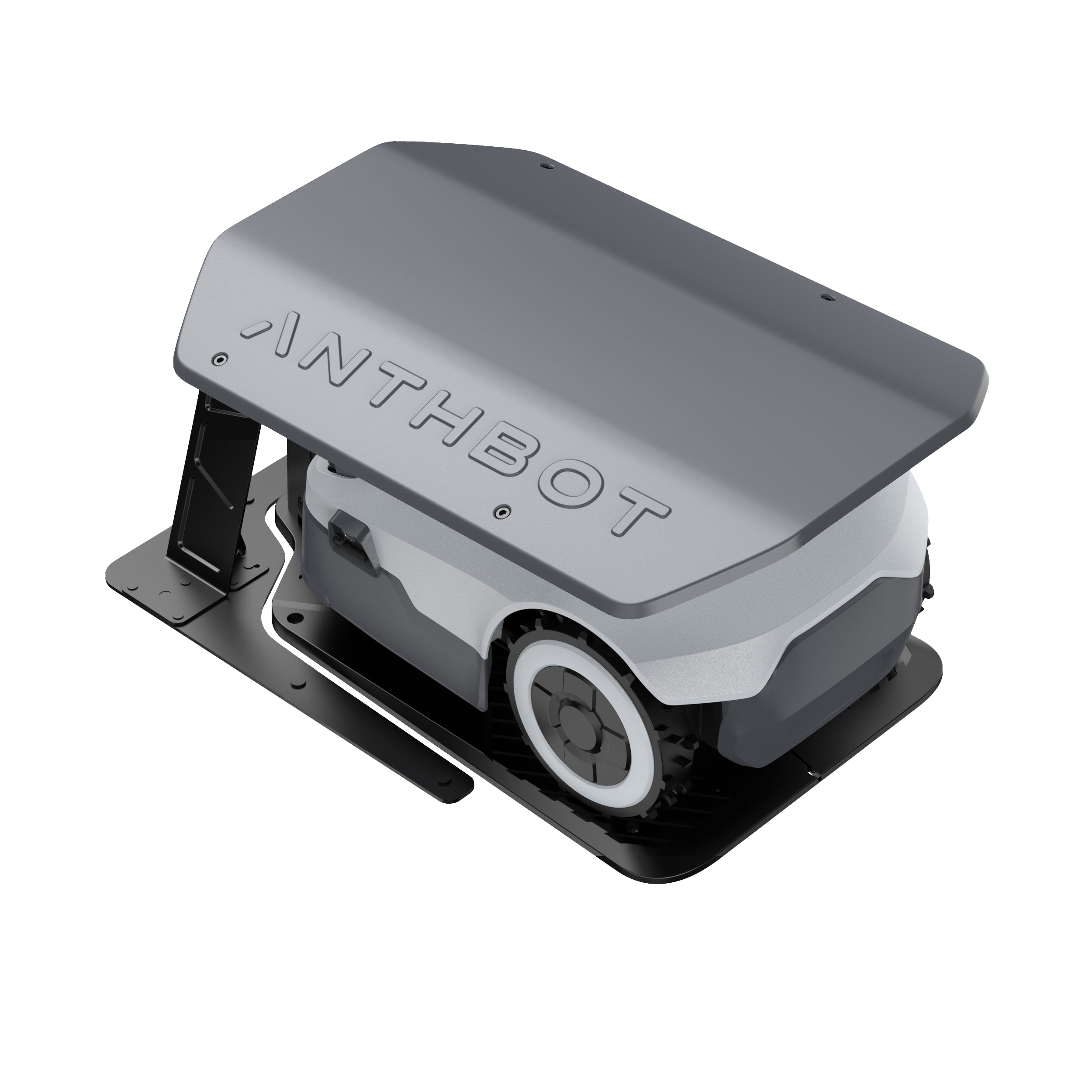
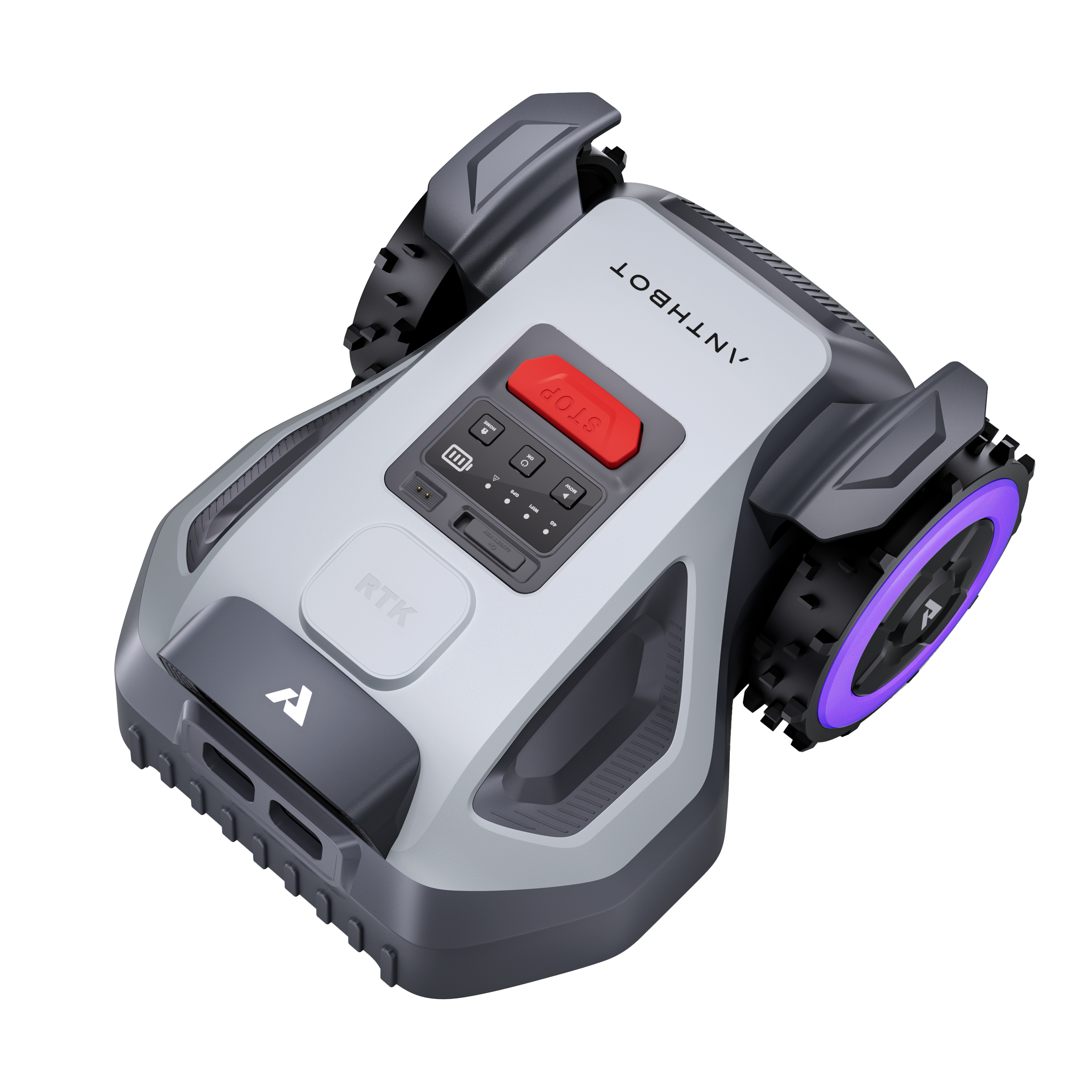
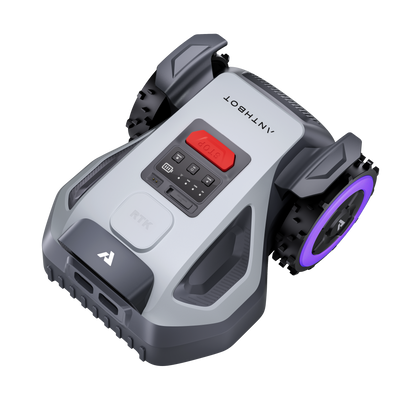
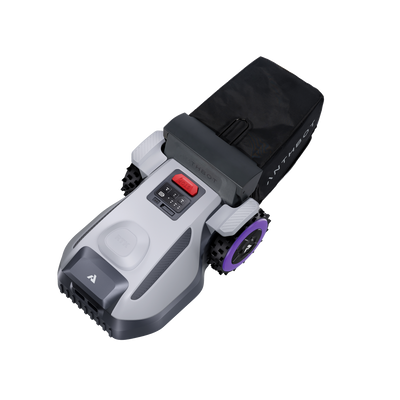
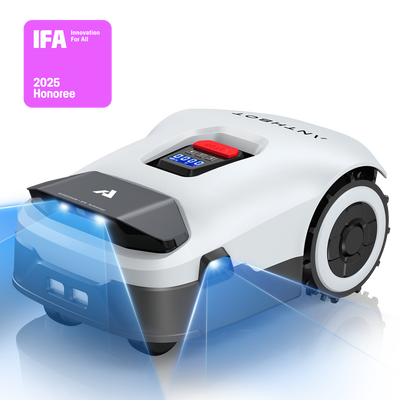
ANTHBOT offers different models for different lawn sizes and feature needs. The M5, M5 Pro, and M9 provide a simple range from value-focused mowing to more advanced navigation and larger lawn coverage.
|
Model |
Lawn Coverage |
Navigation |
Best For |
|
M5 |
Up to 500㎡ |
RTK + Dual Vision |
Small lawns and value-focused buyers |
|
M5 Pro |
Up to 500㎡ |
LiDAR + RTK/NetRTK + Vision |
Small lawns with complex layouts |
|
M9 |
Up to 1,000㎡ |
RTK + Dual Vision |
Larger lawns that need more coverage |
ANTHBOT M5
The M5 is designed for lawns up to 500㎡ and combines RTK positioning with Dual Vision. It is a practical option if you want wire-free mowing and app control without paying for more advanced navigation features.

ANTHBOT M5 Pro
The M5 Pro also covers up to 500㎡, but uses HoloSense Quad-Fusion Positioning, combining 360° LiDAR, RTK/NetRTK, and Vision. It is better suited to homeowners with more complex lawns who want more precise navigation and obstacle detection.

ANTHBOT M9
The M9 supports lawns up to 1,000㎡, while using RTK and Dual Vision for wire-free navigation. It is a better fit if your lawn is too large for a 500㎡ model but you don't necessarily need the M Pro series' more advanced positioning system.

In simple terms: choose the M5 for value, the M5 Pro for advanced features on smaller lawns, and the M9 when you need more coverage.
FAQ: Are Robot Lawn Mowers Worth It?
Are robot lawn mowers really worth it?
They can be worth it if you mow frequently and want to save time. For homeowners who spend around 40 hours per year mowing, automation can provide significant convenience.
Do robot lawn mowers save money?
It depends on your current lawn-care costs. If you mow yourself, the main benefit is usually time savings. If you pay for professional lawn service, a robot mower has greater potential to reduce recurring costs.
How long does it take for a robot mower to pay for itself?
There is no single answer. It depends on the mower's price and whether it replaces paid lawn service. A homeowner paying around $1,000–$1,950 per year for regular mowing may reach the break-even point much faster than someone who already mows for free.
How much does a robot lawn mower cost?
Prices vary based on coverage, navigation, and features. Basic models can cost several hundred dollars, while advanced models with technologies such as LiDAR and RTK can cost over $1,000.
How much time can a robot mower save?
If mowing takes about 1 hour per week for 40 weeks, that is approximately 40 hours per year. A robot mower can handle most routine mowing, although occasional cleaning, blade replacement, and lawn checks are still required.
Are robot lawn mowers worth it for small lawns?
It depends on the lawn size and how much you value your time. For a very small lawn that takes only 15–20 minutes to mow, a traditional mower may offer better value. A robot mower becomes more attractive when mowing is frequent or you want maximum convenience.
Do robot lawn mowers require a lot of maintenance?
Generally, maintenance is limited to tasks such as cleaning, checking the blades, replacing blades, and maintaining the battery and charging station. The exact requirements vary by model.
Can a robot mower completely replace a traditional lawn mower?
Not always. A robot mower can handle regular lawn mowing, but you may still need another mower or trimmer for areas the robot cannot reach, tall grass, or detailed edge work. For many homeowners, however, it can significantly reduce how often they need to use a traditional mower.


Leave a comment
This site is protected by hCaptcha and the hCaptcha Privacy Policy and Terms of Service apply.